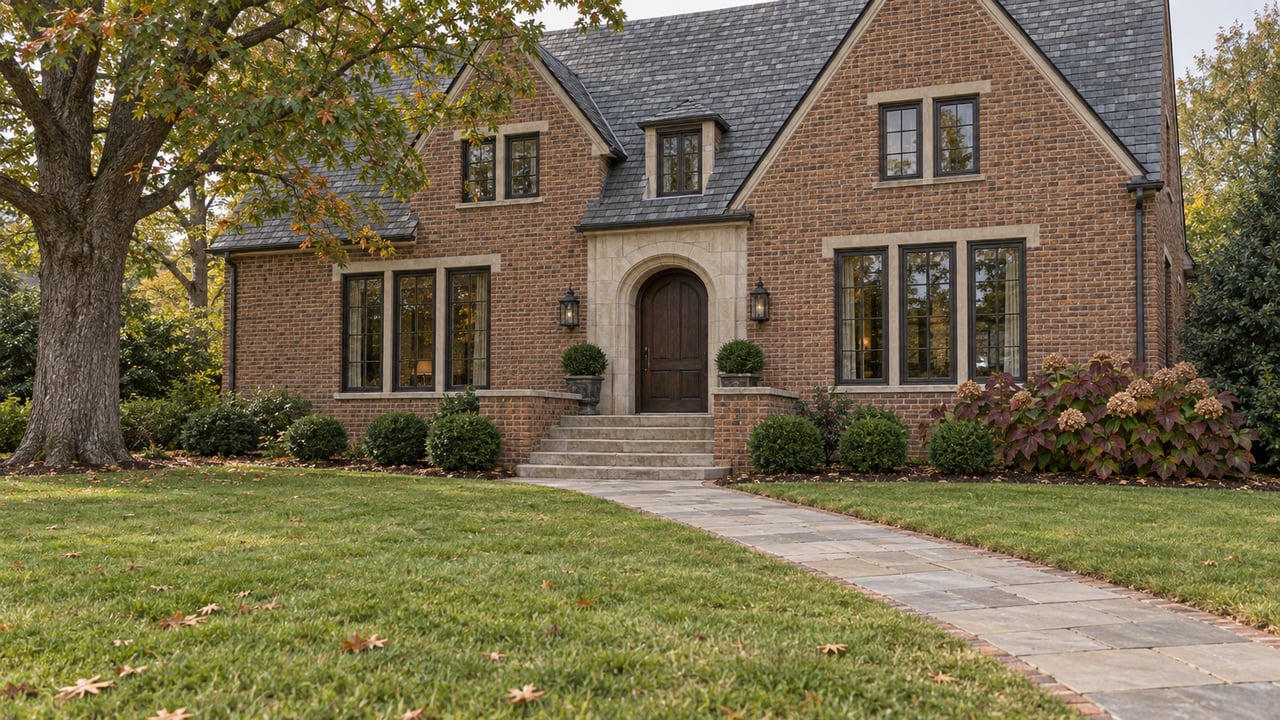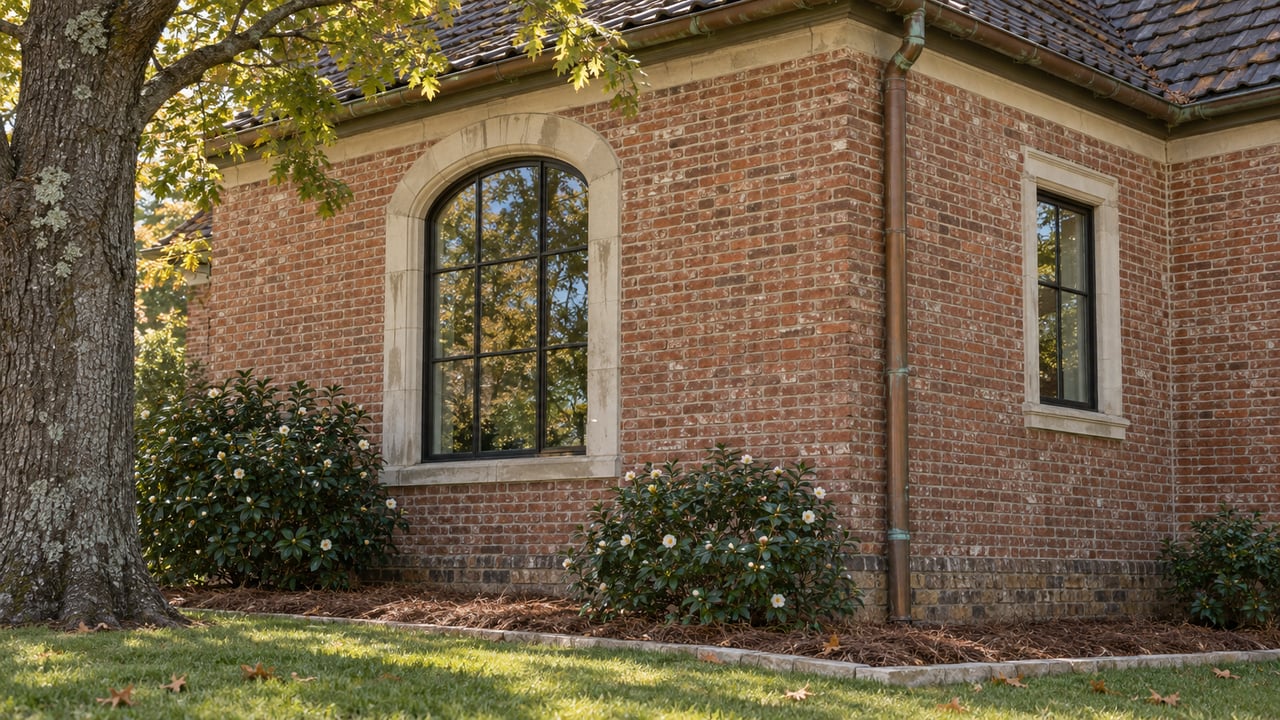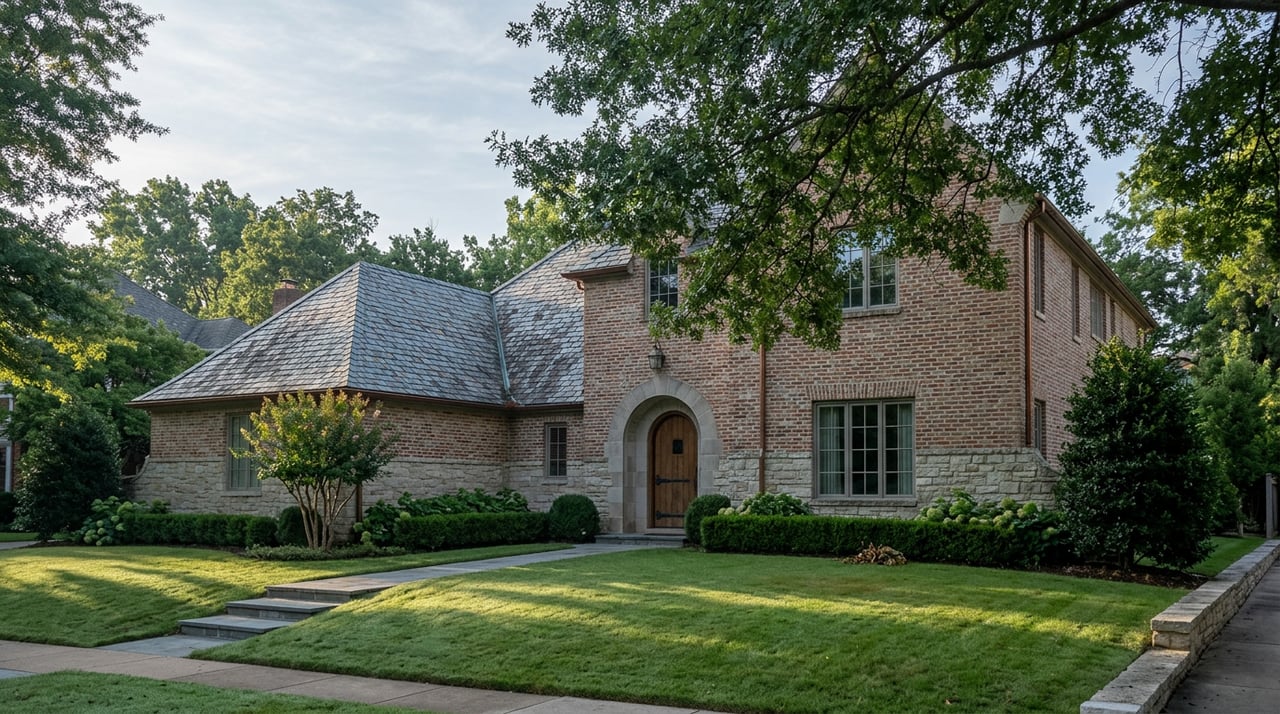
Trying to decide between building new or buying a home to renovate in Sandy Springs, Buckhead, or nearby intown neighborhoods? It is a smart question, especially in markets where lot conditions, tree rules, and permitting can shape your options as much as the house itself. If you want a clearer way to weigh flexibility, risk, and long-term value, this guide will help you compare both paths with local context in mind. Let’s dive in.
Start With the Lot
In Sandy Springs and beyond, the real decision often starts with the property, not the floor plan. A beautiful wooded lot or a well-located older home may look straightforward at first, but zoning, tree preservation rules, stream buffers, and permit requirements can quickly influence what is actually possible.
In Sandy Springs, permit applications are reviewed for building code compliance, environmental requirements, zoning, and other regulations through Build Sandy Springs. The city notes that permit card issuance can take up to five business days after approval. For many buyers, that means timelines should be built around real review periods, not best-case assumptions.
If you are looking in Brookhaven, any construction or redevelopment project requires a permit, and the city manages applications and inspections through its Project Portal for building permits. In Buckhead, projects follow City of Atlanta rules, and some properties may need added approvals before a building permit can even be filed, depending on zoning, overlays, or district requirements. Atlanta also offers property and permit research tools that can be useful during due diligence.
When New Construction Makes Sense
New construction is often the better fit when you want the highest level of control. You can shape the layout, storage, natural light, circulation, and finishes around how you actually live, rather than adapting to an older structure.
It can also offer peace of mind from a systems standpoint. The U.S. Department of Energy notes that certified efficient new homes are designed for energy savings, comfort, health, and durability, and federal guidance explains that building energy codes establish minimum efficiency requirements for both new construction and renovations. If you want a more code-forward home with fewer near-term repair surprises, a new build can be very appealing.
For design-aware buyers, new construction also allows you to make decisions upfront rather than in stages. That can be helpful if your goal is a move-in-ready home with a more predictable finish level from day one.
New Construction Challenges to Expect
The biggest challenges usually involve the site itself. In Sandy Springs, exterior work may require review for setbacks, easements, utility encroachment, and erosion control, and construction-related tree removal requires a Tree Conservation Plan.
Tree preservation can be especially important across Sandy Springs, Brookhaven, and Atlanta. Sandy Springs requires tree permits for certain larger trees and says residential sites must maintain 35 percent canopy coverage under its tree removal and yard maintenance rules. Brookhaven requires a permit for tree removal involving trees 4 inches or greater through its tree removal permit process.
In Buckhead and other Atlanta neighborhoods, added review layers can affect timing and feasibility. Depending on the property, you may need a Special Administrative Permit, a Certificate of Appropriateness, or Urban Design Commission approval before moving forward, as outlined in Atlanta’s zoning and development permitting guidance.
When Renovation Makes Sense
Renovation often wins when you care most about location, lot character, mature landscaping, or architectural style. In many intown neighborhoods, those qualities are hard to recreate from scratch.
An older home can also give you the chance to improve the interior over time while preserving the setting that drew you there in the first place. That is especially relevant in areas where established streetscapes, larger trees, and original architecture are part of the appeal.
Renovation is also far from a niche strategy. The National Association of Realtors reports in its 2025 Remodeling Impact Report that Americans spent $603 billion on remodeling in 2024, and 46 percent of buyers are less willing to compromise on home condition. The same report found strong demand for kitchen upgrades, new roofing, and bathroom renovation, along with perfect Joy Scores for an added primary bedroom suite, a kitchen upgrade, and new roofing.
Renovation Risks to Watch
Renovation can be rewarding, but it often comes with more unknowns. Once walls are opened, older homes may reveal structural, mechanical, electrical, plumbing, or drainage issues that were not visible during a showing.
Permitting can also become more involved than buyers expect. Sandy Springs states that permits are required when professional trades are involved, and exterior projects may trigger review for setbacks, easements, utility encroachment, and runoff under its home improvement guidance. Brookhaven similarly requires permits for additions, interior alterations, demolition, decks, and many systems-related changes.
For some buyers, financing matters too. HUD explains that its 203(k) rehabilitation mortgage program can combine purchase and rehab costs, with a Limited 203(k) available for non-structural work up to $75,000 and a standard 203(k) for larger projects that meet program requirements.
Sandy Springs, Brookhaven, and Buckhead Differences
These three markets may seem closely connected geographically, but their project rules are not identical. That is why a strategy that works on one lot may not work as smoothly on another.
In Sandy Springs, permit and inspection processes run through Build Sandy Springs, and inspections happen at milestones throughout the project. The city also requires a certificate of occupancy for all buildings and a certificate of completion for additions and alterations when the residence stays occupied during construction, according to its permitting process overview.
In Brookhaven, the city does not allow third-party inspections, and permits can expire 180 days after the last passed inspection unless extended, according to the city’s building permit information and permit FAQ page. Failed re-inspections may also create extra fees.
In Buckhead, your due diligence should include a close look at zoning, overlays, and permit history before you commit. Atlanta specifically recommends checking GIS maps, zoning cases, and prior permit activity through its research tools for properties and projects.
A Practical Comparison
If you are weighing both options, this quick comparison can help clarify the tradeoffs.
| Path | Best Fit For | Main Advantage | Main Risk |
|---|---|---|---|
| New construction | Buyers who want control, efficiency, and move-in-ready living | Greater customization and fewer immediate repair unknowns | Site constraints, tree rules, and permit complexity |
| Renovation | Buyers who value location, mature landscaping, and existing architecture | Ability to preserve setting and improve over time | Hidden conditions and expanding project scope |
In practical terms, new construction is often stronger when you want certainty and a home designed around current standards. Renovation is often stronger when the lot, neighborhood setting, or architecture matters more than having every feature completed upfront.
Questions to Ask Before You Decide
Before you choose either path, it helps to answer a few key questions early.
What zoning or overlay applies?
In Atlanta, checking zoning districts, overlays, historic designations, and permit history should be part of early due diligence. Those details can affect what you build, what you change, and how long approvals may take.
What tree or stream buffer limits exist?
Tree rules can affect both buildable area and project cost. Sandy Springs identifies tree removal permit requirements and stream buffer rules, including highly regulated 75-foot stream buffers.
What occupancy approvals will be required?
A project is not finished just because construction is done. Sandy Springs and Brookhaven both tie occupancy to final approvals, so you will want to understand whether a certificate of occupancy or certificate of completion will be needed before move-in.
Is the schedule realistic?
Permitting, inspections, corrections, and re-submittals can all extend the timeline. Build enough room into your plans for real-world review periods rather than assuming a straight line from contract to completion.
Are there site-prep issues?
If any digging is involved, Sandy Springs reminds property owners to call 811 first to locate underground lines. That small step can help avoid expensive problems before work begins.
How to Choose the Better Path
The best answer usually comes down to what you value most. If you want layout control, modern efficiency, and fewer near-term surprises, new construction may be the stronger path. If you want neighborhood character, mature trees, and the chance to customize over time, renovation may be the smarter fit.
In Sandy Springs, Brookhaven, and Buckhead, the lot’s regulatory reality often matters just as much as the design vision. That is why thoughtful guidance early in the process can save time, protect your budget, and help you choose with confidence.
If you are weighing a teardown, a custom build, or a renovation candidate in Sandy Springs or the intown Atlanta market, Patti Junger offers calm, experienced guidance shaped by decades of local market knowledge and family design-build insight.
FAQs
Should you choose new construction or renovation in Sandy Springs?
- If you want more control, modern efficiency, and fewer immediate repair unknowns, new construction may be the better fit. If location, lot character, and mature landscaping matter most, renovation may offer more value.
What permits are needed for construction in Sandy Springs?
- Sandy Springs reviews permit applications for building code compliance, zoning, environmental requirements, and related regulations through Build Sandy Springs. Exterior work may also involve setbacks, easements, utility encroachment, erosion control, and tree-related review.
How do tree rules affect renovation or new construction in Brookhaven?
- Brookhaven requires a permit for tree removal involving trees 4 inches or greater, which can influence both teardown and renovation plans, especially on wooded lots.
What should you research before buying a lot in Buckhead?
- You should review zoning, overlays, historic or special district requirements, GIS maps, and permit history because some Buckhead properties may need approvals before a building permit can be filed.
Can you finance a fixer-upper with renovation costs included?
- Yes. HUD’s 203(k) program can combine purchase and rehabilitation costs, with different options depending on whether the work is non-structural or more extensive.
How long can permitting and inspections take for local projects?
- Timelines vary, but permit review, inspections, possible corrections, and re-submittals can all affect the schedule. Sandy Springs notes permit card issuance can take up to five business days after approval, and Brookhaven permits can expire if inspection activity does not continue on schedule.