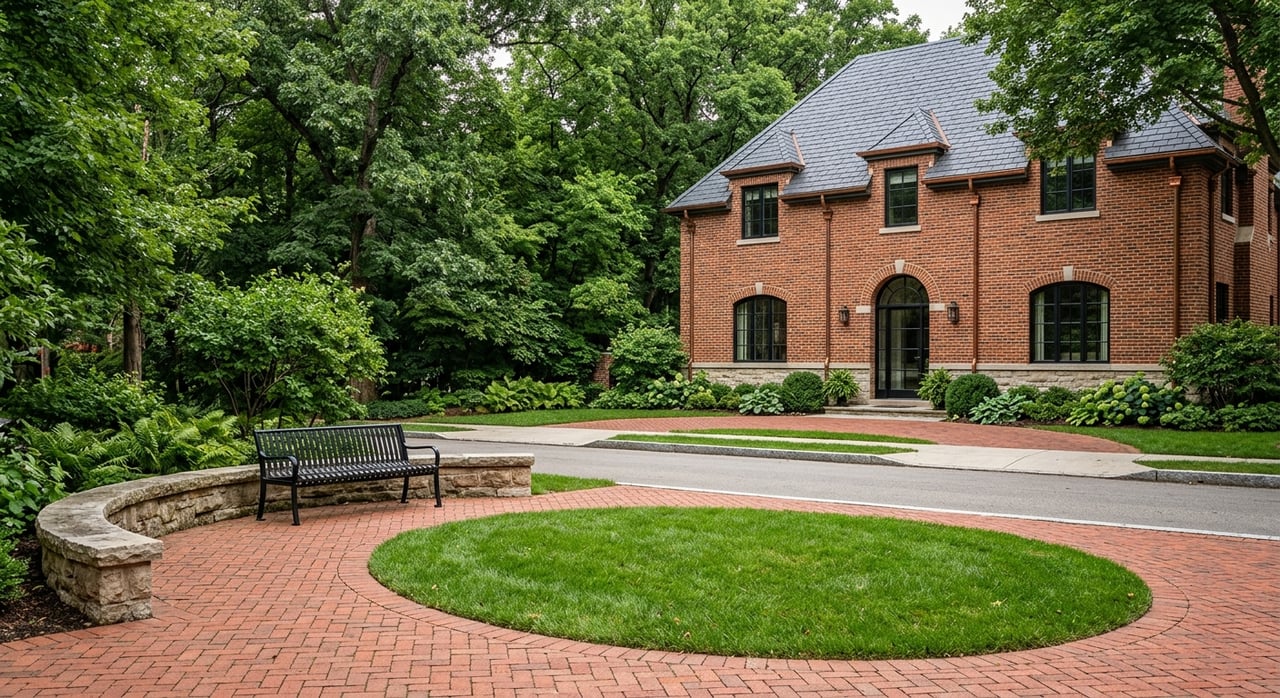
If you have ever driven through Brookwood Hills and wondered why it feels so distinct from the streets around it, the answer is not just the homes. This neighborhood has a planned layout, a long preservation story, and a recreation-centered identity that still shapes daily life today. If you are exploring intown Atlanta neighborhoods or weighing a move within Buckhead’s orbit, a closer look at Brookwood Hills can help you understand what sets it apart. Let’s dive in.
Brookwood Hills Has a Planned Feel
Brookwood Hills was founded in 1922 and is recognized as one of Atlanta’s earliest suburban developments. As the city grew around it, the neighborhood retained much of its early 20th-century character through careful stewardship and preservation decisions.
That history matters because Brookwood Hills does not read like a typical intown grid neighborhood. It was shaped over time by a neighborhood club, a garden club, and formal conservation efforts, which helps explain why the area feels cohesive and carefully maintained.
Streets Follow the Natural Terrain
One of the first things you notice in Brookwood Hills is the street pattern. Instead of a rigid grid, the neighborhood was laid out in phases with curving roads that follow the natural terrain.
The earliest phase, developed from 1922 to 1924, included Palisades Road, Huntington Road, Northwood Avenue, and Woodcrest Avenue. Later additions brought in Brighton Road, Camden Road, Wakefield Drive, Montclair Drive, Parkdale Way, and an extension of Huntington Road, with another section added in 1938 and a fourth developed in 1961 near Peachtree and Clear Creeks.
This curvilinear layout contributes to the neighborhood’s residential feel. City records describe wide intersections, deep setbacks, and a design influenced by park-like planning, with street trees and homes set into the landscape rather than pressed close to the road.
Entrances Create a Sense of Arrival
Brookwood Hills also has a defined sense of entry. The neighborhood is marked by pillars at three entrances, and the Palisades-Peachtree and Brighton-Peachtree entries were landscaped as formal gateways.
That detail may seem small, but it shapes how the neighborhood is experienced. The entrance treatments signal that Brookwood Hills is more than a collection of addresses. It feels like a distinct enclave with its own identity and long-standing traditions.
Parks and Green Space Matter Here
At the center of Brookwood Hills is a neighborhood-owned recreation area of more than 5 acres with a pool, park, and tennis facility. The neighborhood club also describes the community as having 75 acres of protected green space, which adds to the wooded, inward-facing character of the area.
For many buyers, this is one of the neighborhood’s defining features. The combination of preserved green space and a central recreation area gives Brookwood Hills a setting that feels unusually tucked away for such an intown location.
The Recreation Area Has Deep Roots
The recreation area began as a spring-fed lake. According to neighborhood history, the area was later fenced, lifeguards were hired, and admission was charged before residents came together to build the pool and bathhouse.
Over time, the pool, tennis courts, playing field, and surrounding woods became a long-running gathering place for Atlanta families. That continuity helps explain why the neighborhood has such a strong shared identity.
Club Life Still Shapes the Neighborhood
Today, club membership benefits include pool access, swim team, tennis and pickleball courts, ALTA teams, social events, park and playground access, security, and NPU representation. Resident homeowners within Brookwood Hills boundaries may join at any time, while non-resident memberships are limited and reviewed annually.
This membership structure reinforces the neighborhood’s club-centered culture. If you are considering Brookwood Hills, it is helpful to understand that the amenities are not just nearby features. They are part of the neighborhood’s identity and daily rhythm.
The Garden Club Helped Shape the Streetscape
Brookwood Hills also has a strong civic tradition through the Brookwood Hills Garden Club, founded in 1938. City and neighborhood history credit the Garden Club with landscape work at neighborhood entrances, along with later park and tree-preservation efforts.
That long involvement helps explain the consistent look of the streetscape. Mature trees, landscaped entry points, and a sense of continuity across blocks are not accidental features. They reflect decades of organized care and neighborhood stewardship.
Homes Reflect Several Classic Styles
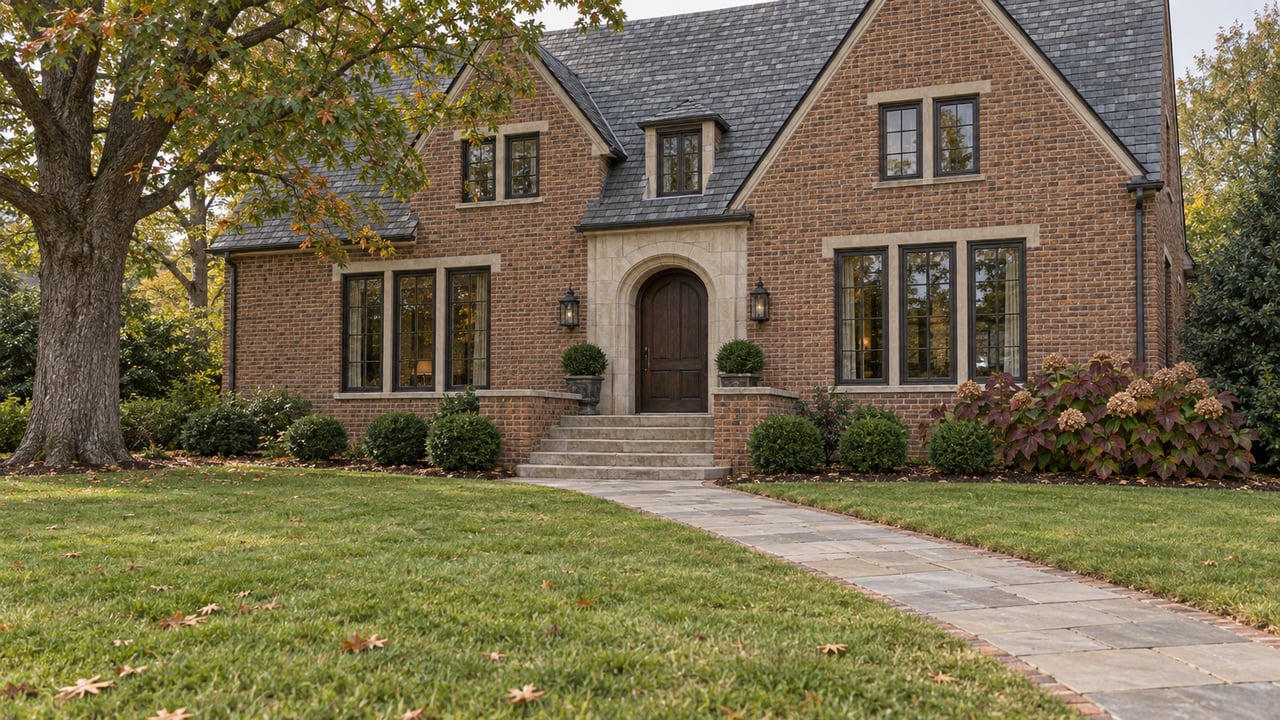
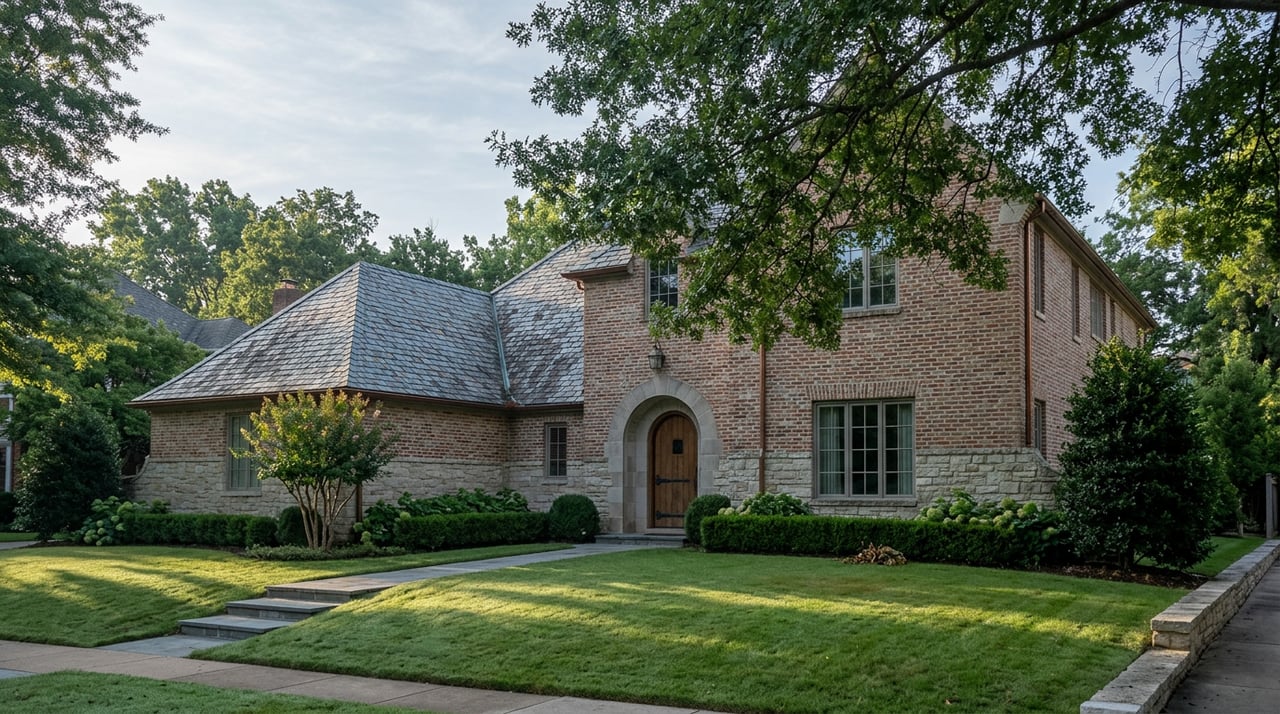
Brookwood Hills includes a range of early and mid-20th-century home styles. City records identify English Vernacular Revival, Colonial Revival, and Neoclassical Revival homes, along with several Craftsman-style bungalows.
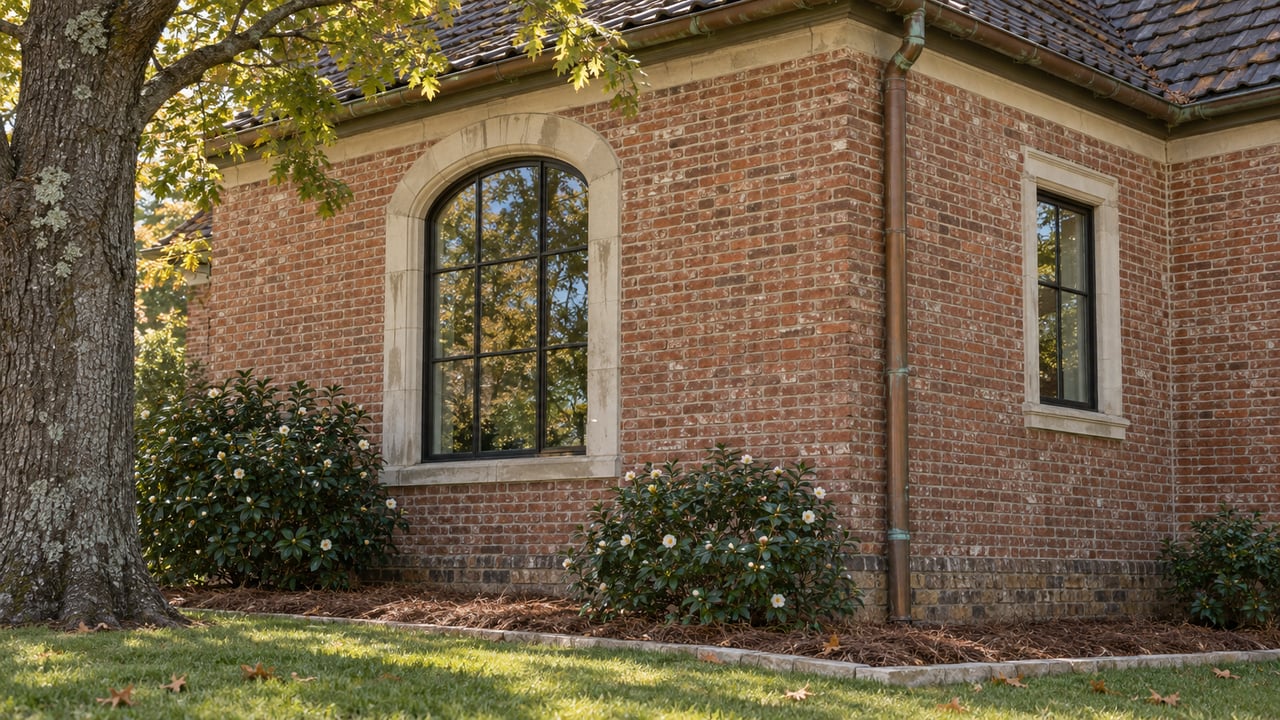
Materials also add to the architectural character. Brick, clapboard, stone, terra cotta tile, and slate all appear in the neighborhood, creating a built environment that feels layered and substantial rather than uniform.
Different Streets Have Different Patterns
While Brookwood Hills feels cohesive overall, the homes vary by section and street. Larger residences are concentrated along Palisades Road and Wakefield Drive.
Two-story homes are common along Camden Road, Brighton Road, Woodcrest Avenue, and Northwood Avenue. Huntington Road has the largest concentration of bungalows and cottage-type homes, which gives that stretch a somewhat different architectural rhythm.
Preservation Supports Continuity
Brookwood Hills is notable not only for its home styles, but also for how much of its original character has been preserved. The first two sections were listed on the National Register of Historic Places in 1980, and the neighborhood was designated a City of Atlanta Conservation District in 1994.
The result is a neighborhood that the city describes as one of the best-preserved 1920s neighborhoods in Atlanta. That preservation framework helps protect the overall character that draws many buyers to the area in the first place.
Why Brookwood Hills Feels Different
Brookwood Hills stands out because several elements work together at once. You have historic pedigree, protected green space, club-owned amenities, and a curving street pattern that limits the feel of through traffic.
Together, those features make the neighborhood feel more self-contained than many other intown areas. Even though it sits where Buckhead and Midtown meet, it often feels set apart from the pace of the surrounding city.
For buyers who value architecture, landscape, and a neighborhood with a strong sense of place, that distinction can be especially meaningful. For sellers, it also helps explain why Brookwood Hills often attracts interest from people looking for something with lasting character rather than just a convenient address.
What Buyers and Sellers Should Notice
If you are buying in Brookwood Hills, pay attention to how each street differs. The neighborhood is cohesive, but the housing mix, setting, and scale can change from one section to another.
If you are selling, the same neighborhood details matter when positioning a home. Street placement, architectural style, setting, and proximity to the recreation core can all shape how buyers understand value and fit within Brookwood Hills.
In a neighborhood with this much continuity, nuance matters. That is where experienced local guidance can make a real difference, especially when a buyer or seller wants to understand not just the house, but the context around it.
If you are considering a move in Brookwood Hills or simply want a clearer read on how your home fits within this historic enclave, Patti Junger offers the kind of measured, neighborhood-specific guidance that only comes from decades of experience in Atlanta’s intown markets.
FAQs
What makes Brookwood Hills different from other intown Atlanta neighborhoods?
- Brookwood Hills combines a planned curving street layout, protected green space, club-centered amenities, and long-standing preservation efforts that give it a more self-contained residential feel.
Which streets are part of the original Brookwood Hills neighborhood?
- The first phase of Brookwood Hills, developed from 1922 to 1924, included Palisades Road, Huntington Road, Northwood Avenue, and Woodcrest Avenue.
What amenities are part of Brookwood Hills club life today?
- Current membership benefits include pool access, swim team, tennis and pickleball courts, ALTA teams, social events, park and playground access, security, and NPU representation.
What architectural styles are found in Brookwood Hills homes?
- Brookwood Hills includes English Vernacular Revival, Colonial Revival, Neoclassical Revival, and Craftsman-style bungalow homes, with materials such as brick, clapboard, stone, terra cotta tile, and slate.
Where are the larger homes in Brookwood Hills located?
- City records note that larger residences are concentrated along Palisades Road and Wakefield Drive, while other streets have more two-story homes, bungalows, and cottage-type structures.