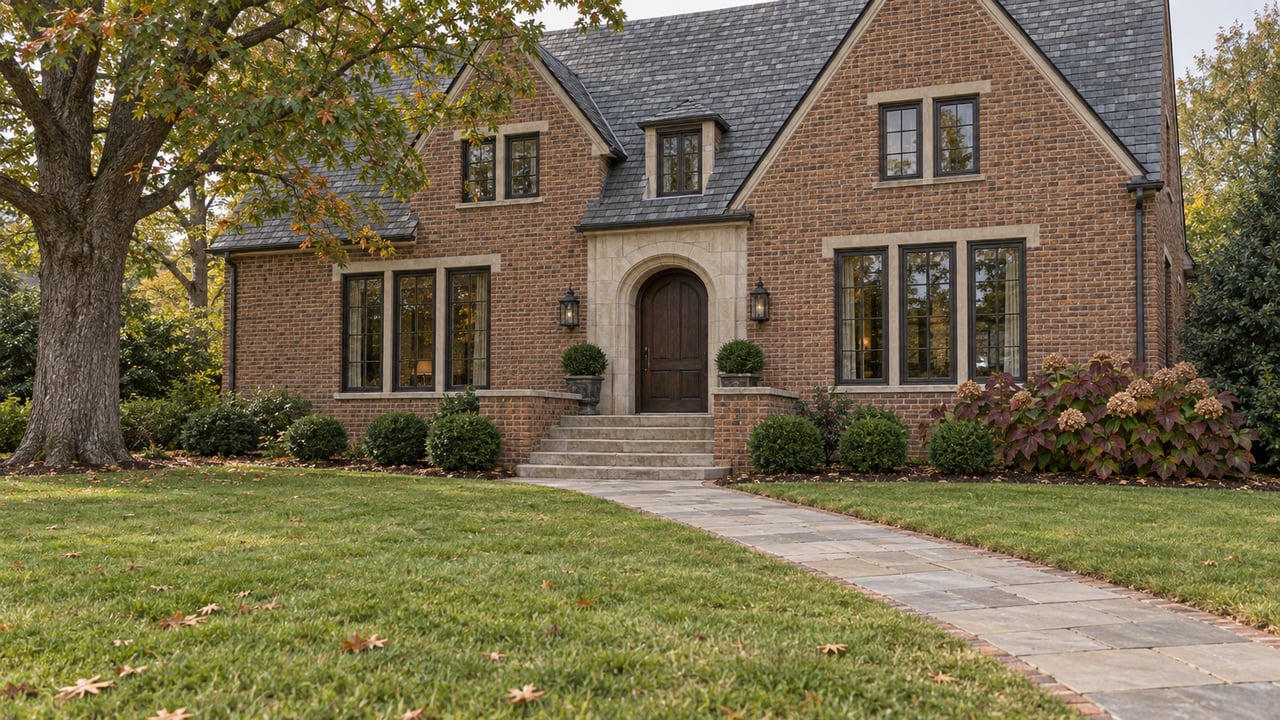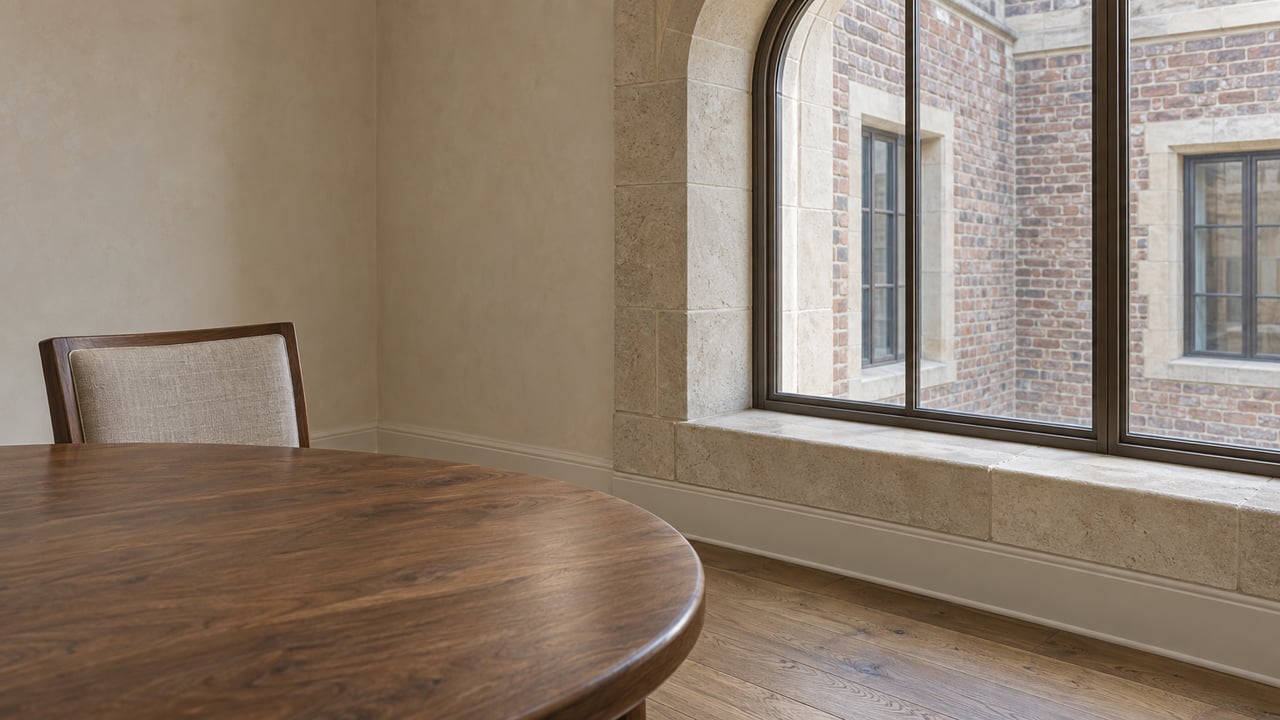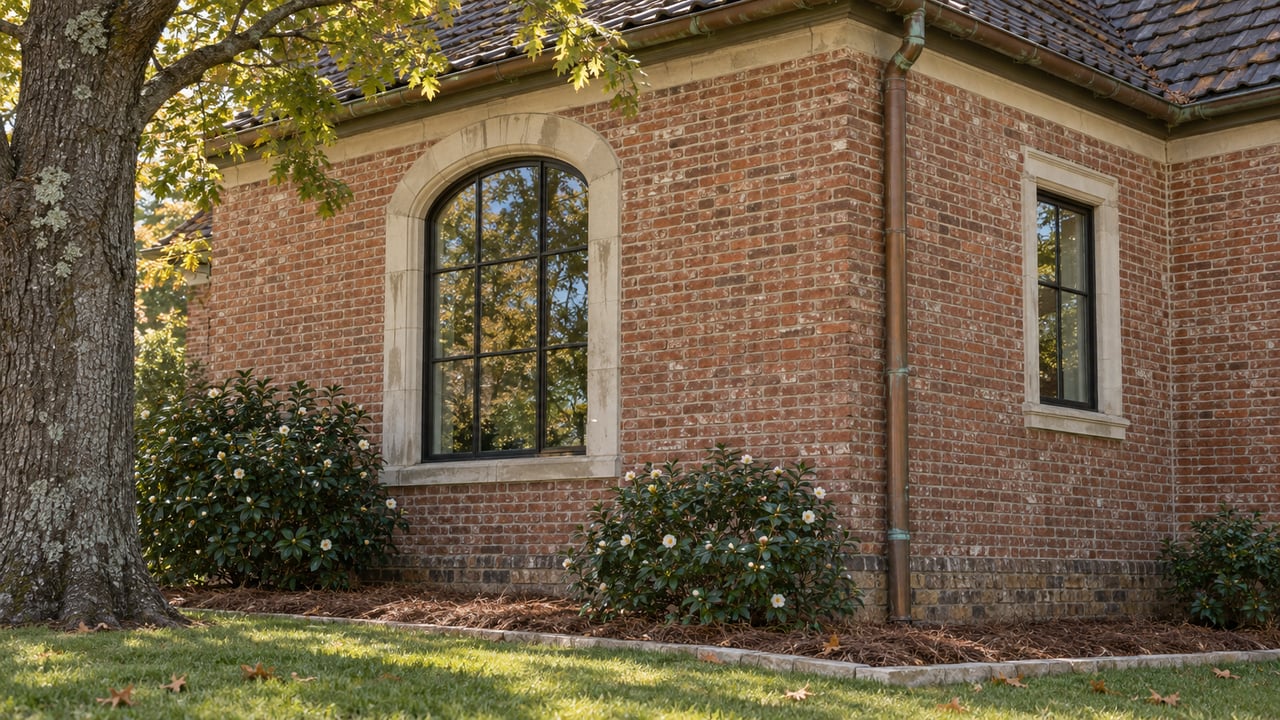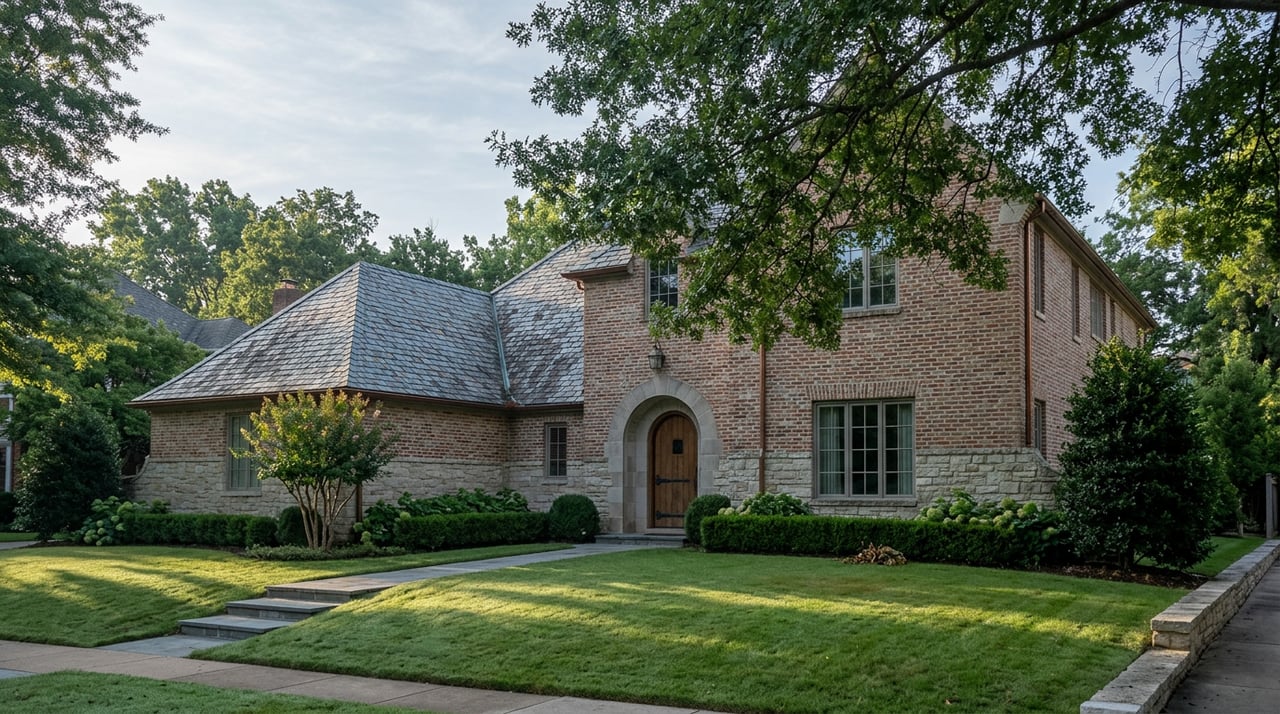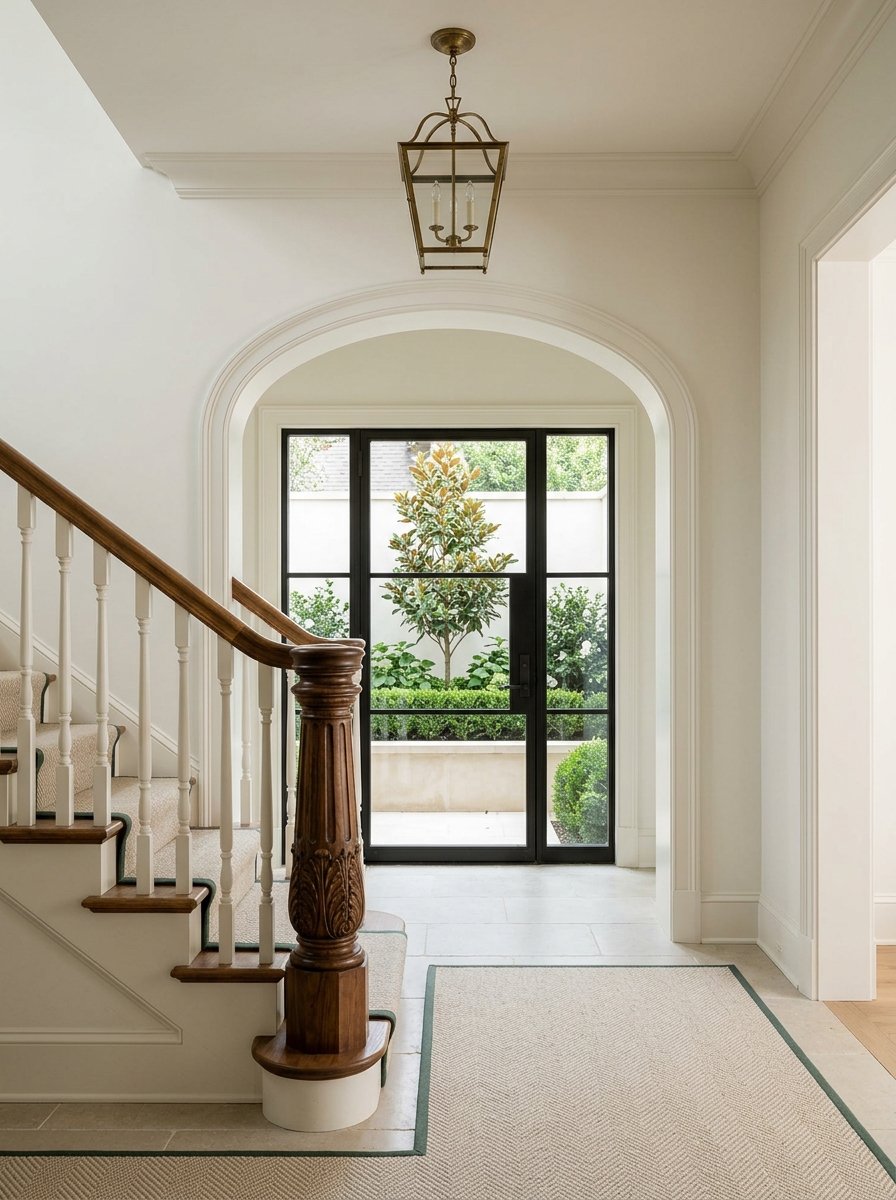
If you are selling a legacy home in Brookwood Hills or Ansley Park, you are not just putting a house on the market. You are presenting a property with history, architectural character, and a place within one of Atlanta’s most established intown neighborhoods. That can create real opportunity, but it also calls for a more thoughtful strategy. In this guide, you will learn how to prepare, position, and market a legacy home in a way that protects value and speaks to the right buyer. Let’s dive in.
Why legacy homes stand apart
Legacy homes in Brookwood Hills and Ansley Park tend to compete on more than size or finish level. Buyers are often responding to original details, mature surroundings, and the identity of the neighborhood itself.
In Ansley Park, that identity is rooted in a neighborhood first developed in 1904 and recognized as a National Register Historic District. The Ansley Park Civic Association notes that this National Register designation is honorary and does not, by itself, restrict private property. The neighborhood is also known for its wide boulevards, curving blocks, and carefully planned subdivision pattern.
Brookwood Hills has a different regulatory and historical framework. The City of Atlanta identifies Brookwood Hills as a Conservation District in Fulton County within the City of Atlanta, and the neighborhood dates to 1922. Its early sections were also placed on the National Register of Historic Places in 1980, while the local district is recognized for curving streets, park-like settings, shallow setbacks, and early twentieth-century character.
That distinction matters when you sell. A buyer considering one of these homes is often evaluating the house, the setting, and the long-term integrity of the neighborhood together.
What buyers are really buying
In both neighborhoods, buyers are often drawn to a combination of architecture, location, and neighborhood form. According to Planning.org’s profile of Ansley Park, the neighborhood is defined by an eclectic mix of architecture, curvilinear streets, a 14-park linear greenway system, and a strong preservation culture.
Brookwood Hills has a similarly distinct story. The Brookwood Hills Community Club describes a neighborhood center with a 5-acre park, pool, and tennis facility, all of which contribute to the area’s identity. For sellers, that means the marketing should reflect not only the home’s features, but also the broader experience of living there.
Current pricing also shows that these are specialized, higher-value submarkets. In February 2026, Redfin’s Ansley Park housing market data showed a median sale price of $1.534 million, up 7.7% year over year, with homes selling in an average of 37 days. At the same time, Atlanta REALTORS® reported 16,169 active listings and 3.7 months of supply in the metro area, which reinforces an important point: in a market with more inventory, presentation and pricing become even more important.
Start with preservation-minded preparation
Before you list, it helps to think like a steward as much as a seller. For a legacy home, the goal is not to erase age. It is to show care, authenticity, and condition.
Preserve original features when possible
Atlanta’s historic preservation guidance favors repair over replacement when feasible. In the city’s materials and treatment guidance, deteriorated historic features should be repaired where possible, changes should avoid creating a false sense of history, and paint removal should use the least invasive methods available.
That has practical implications before listing. Original millwork, windows, trim profiles, and other character-defining features often carry more value when they are maintained thoughtfully rather than replaced with generic alternatives. Even simple decisions, such as repairing wood windows instead of installing aluminum replacements, can better support the home’s historic integrity.
Focus on selective, high-value improvements
Not every pre-sale improvement helps a legacy property. In many cases, the safest updates are the ones that improve function and appearance while preserving original proportions, finishes, and architectural cues.
A smart pre-listing plan may include:
- Repairing damaged historic elements rather than replacing them
- Repainting or refreshing surfaces with minimal intervention
- Addressing deferred maintenance that may raise buyer concerns
- Organizing records for any past restoration or renovation work
- Confirming that visible exterior changes align with applicable city review processes
This kind of work helps buyers see a home that has been cared for, not stripped of its identity.
Gather documentation before you go live
Buyers tend to feel more confident when a legacy home comes with a clear paper trail. Documentation also helps support pricing, answer questions early, and reduce uncertainty during due diligence.
The city’s preservation guidance notes that replacement or reconstructed features should be supported by documentary, physical, or pictorial evidence. The same city guidance resource makes it clear that records matter, especially when changes affect historic materials or details.
Before listing, gather:
- Permits
- Contractor invoices
- Plans or drawings
- Before-and-after photos
- Dates of major improvements
- Any preservation-related approvals or historic research
A well-organized file can strengthen your listing package and make your home easier for a buyer to understand and trust.
Know the rules before making changes
One of the most common questions sellers ask is whether historic status limits what they can do. The answer depends on the property’s exact designation.
Ansley Park’s National Register status is honorary and does not, on its own, restrict private property. Brookwood Hills, however, is a local Conservation District, and the City of Atlanta explains that Conservation Districts may involve Urban Design Commission comment for certain exterior work, while Landmark and Historic Districts may require formal approval for most development and construction activities.
The city’s historic preservation designation guide is a useful starting point, but the key takeaway is simple: verify the exact designation before making changes to façades, roofs, porches, additions, or visible site features.
Talk early if work is planned
The city also encourages owners and applicants to use homeowner preservation resources and, when relevant, meet with the neighborhood organization before a public hearing. That meeting is not required, but it can help clarify expectations before time and money are spent.
If you are considering exterior work shortly before listing, it is wise to confirm the process first. Even well-intended updates can create delays or questions if the review path is not clear.
Price with today’s market, not nostalgia
Legacy homes often come with emotional value, family history, and years of investment. Those factors matter to you, but pricing still needs to reflect current condition, buyer expectations, and recent neighborhood activity.
That is especially important in a broader Atlanta market with more available inventory than the tightest recent years. According to Atlanta REALTORS® market data, active listings were elevated at the metro level, which means buyers may have more options and more reason to compare carefully.
For that reason, strong pricing usually comes from balancing several factors:
- The home’s architectural significance and condition
- The quality and documentation of improvements
- Current neighborhood comparables
- Days on market trends in the relevant micro-market
- Whether the home feels move-in ready, restoration-minded, or project-oriented
A legacy home can absolutely command a premium, but that premium is typically earned through condition, credibility, and presentation.
Tell a stewardship story in the marketing
The strongest marketing for a legacy home does not read like a generic luxury listing. It should explain why the property matters and how it has been cared for over time.
Atlanta’s Historic Preservation Office frames preservation around the city’s stories, cultures, memories, and identities. That perspective is useful when shaping a listing narrative. Buyers in these neighborhoods are often looking for more than polished finishes. They want a home with authenticity and a connection to place.
A compelling listing package may highlight:
- Original architectural details
- A concise timeline of improvements
- Repairs that preserved historic material
- Permits and approvals where applicable
- Neighborhood features that are central to the property’s identity
For Brookwood Hills, that may include the neighborhood’s centrally important community grounds and amenity structure. For Ansley Park, it may include the greenway, neighborhood form, and longstanding preservation identity. The goal is to market the home as a well-kept piece of a larger neighborhood story.
Historic tax credits may enter the conversation
In some cases, restoration-minded buyers may ask about incentives tied to historic properties. Georgia’s rules have expanded in recent years.
The Georgia Department of Community Affairs says that beginning in 2026, owner-occupied historic homes in local historic districts became eligible for the state income tax credit program under updated rules. The Department of Revenue framework, as cited in that notice, states that the credit applies for tax years 2023 through 2029, cannot exceed $100,000 in any 120-month period, and is subject to a $5 million annual statewide cap.
This is not a universal selling point for every property, but it can be relevant in buyer conversations where future rehabilitation or qualified restoration is part of the plan. As always, eligibility is property-specific.
Why experienced guidance matters
Selling a legacy home in Brookwood Hills or Ansley Park calls for more than a standard listing checklist. You need pricing discipline, careful preparation, and marketing that respects the architecture while speaking clearly to today’s buyer.
That is where local experience can make a real difference. With decades of experience in Buckhead and Atlanta’s intown neighborhoods, a calm advisory approach, and deep design and construction literacy, Patti Junger helps sellers present architecturally significant homes with clarity, discretion, and care. If you are considering a sale, request a complimentary market valuation and private consultation.
FAQs
Does National Register status in Ansley Park restrict private property changes?
- No. According to the Ansley Park Civic Association, National Register status in Ansley Park is honorary and does not, by itself, restrict private property.
Does Brookwood Hills conservation status affect exterior work?
- Yes, it can. Brookwood Hills is a local Conservation District, so certain exterior work may trigger city review or comment depending on the scope of the project.
What updates are safest before selling a legacy home in Brookwood Hills or Ansley Park?
- The safest updates are usually repairs that preserve original materials and architectural proportions, since Atlanta’s preservation guidance favors repair over replacement and minimal alteration.
What paperwork should sellers gather before listing a historic or legacy home?
- Sellers should gather permits, invoices, plans, photos, dates of improvements, and any approvals or historic research tied to past work.
What do buyers value most in legacy homes in Brookwood Hills or Ansley Park?
- Buyers are often drawn to architectural character, intown location, park access, neighborhood identity, and evidence that the home has been maintained with care.
Can historic tax credits matter when selling a legacy home in Atlanta?
- They can be relevant in some cases, especially for restoration-minded buyers, since Georgia offers a state income tax credit program for qualifying rehabilitated historic property subject to eligibility rules and caps.