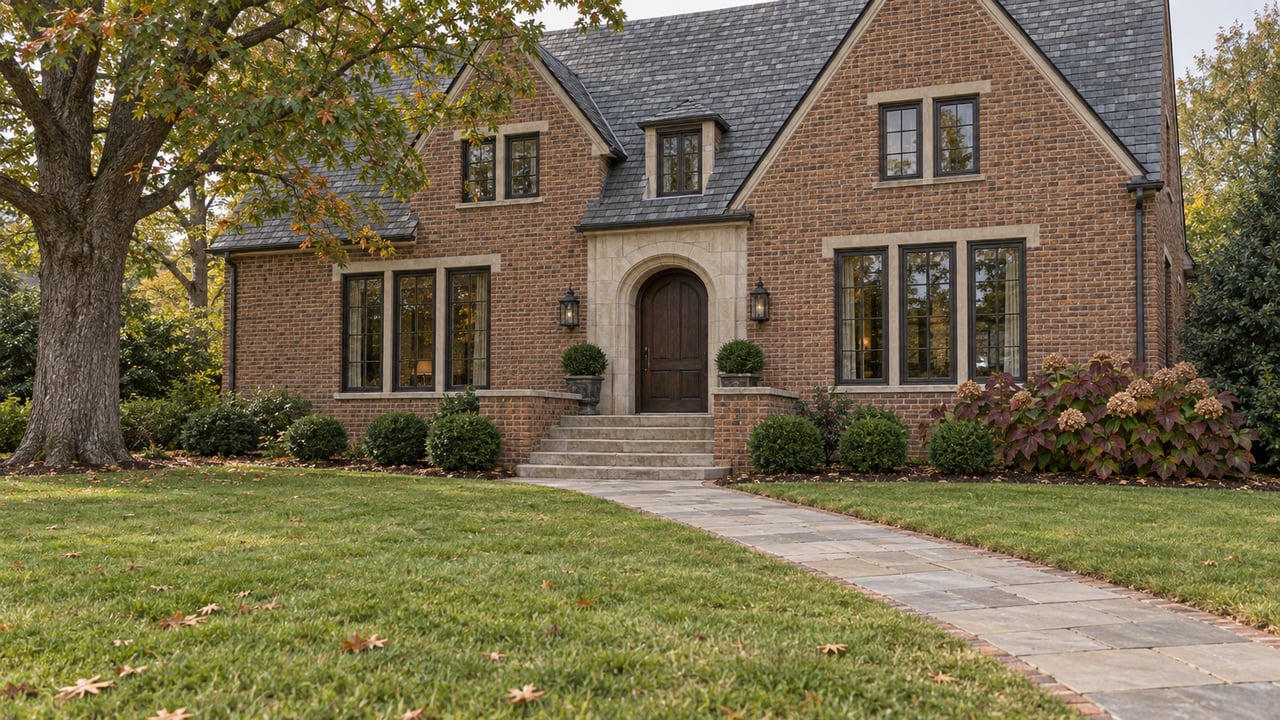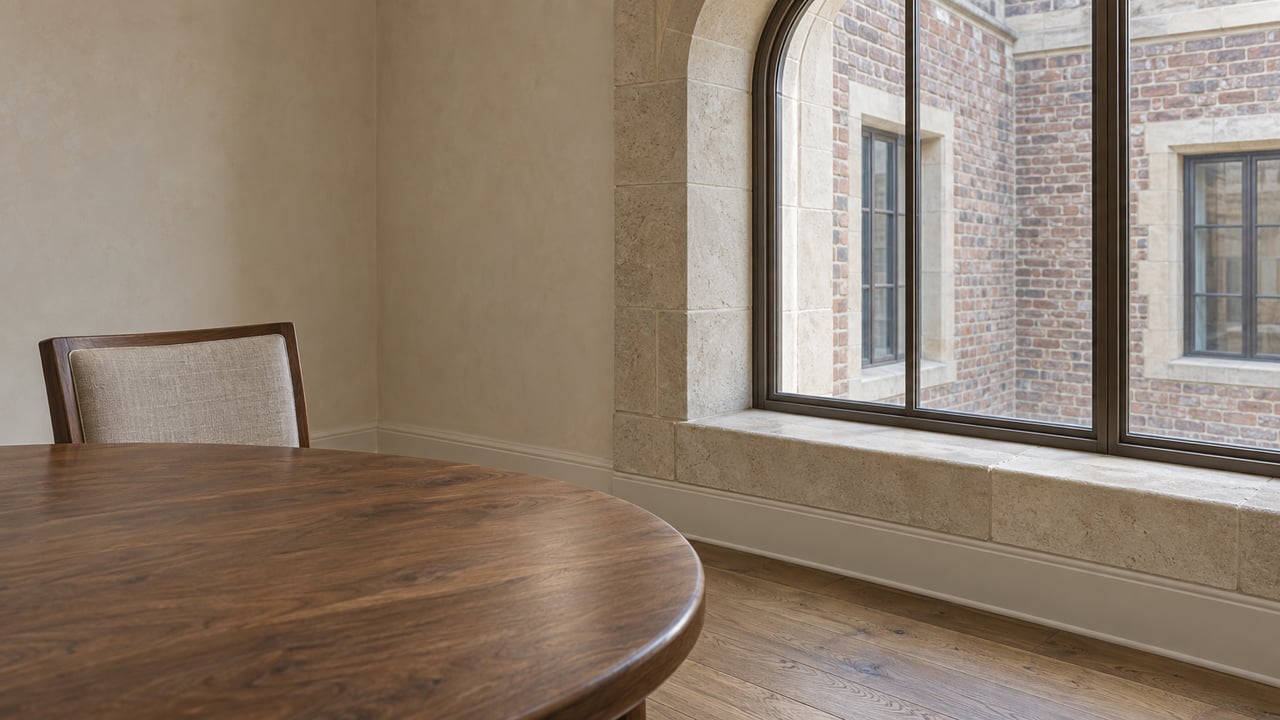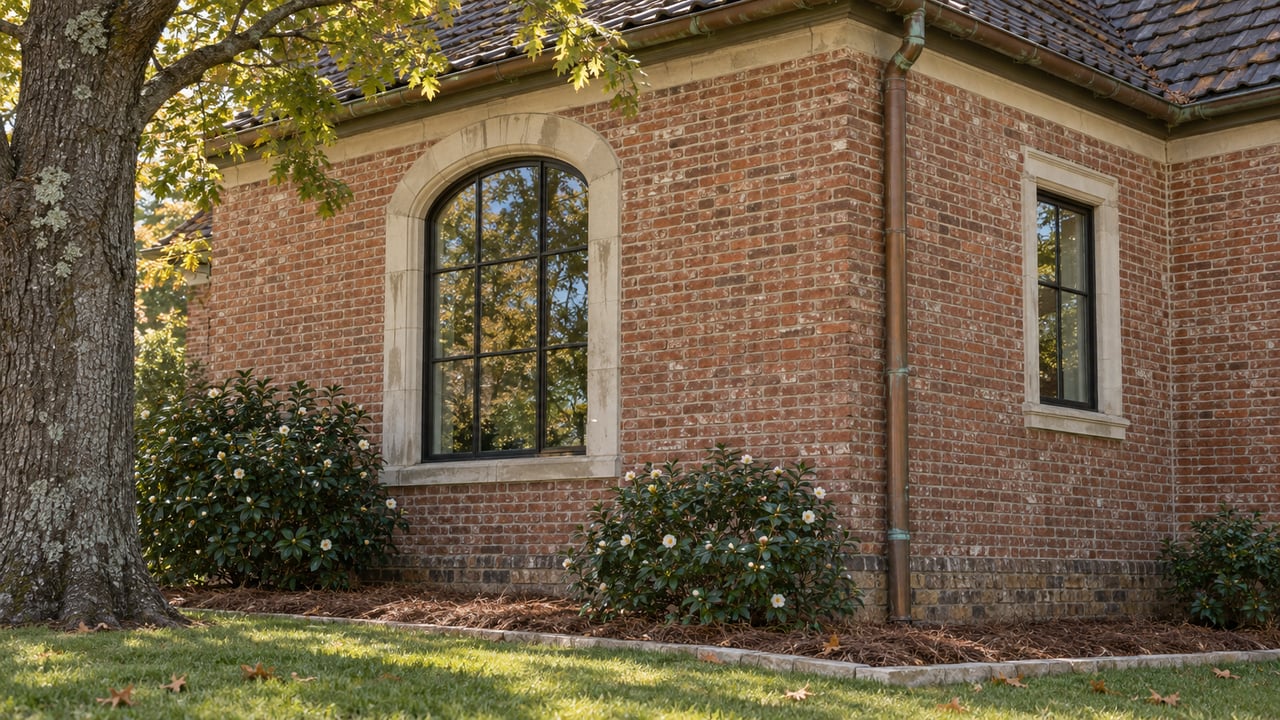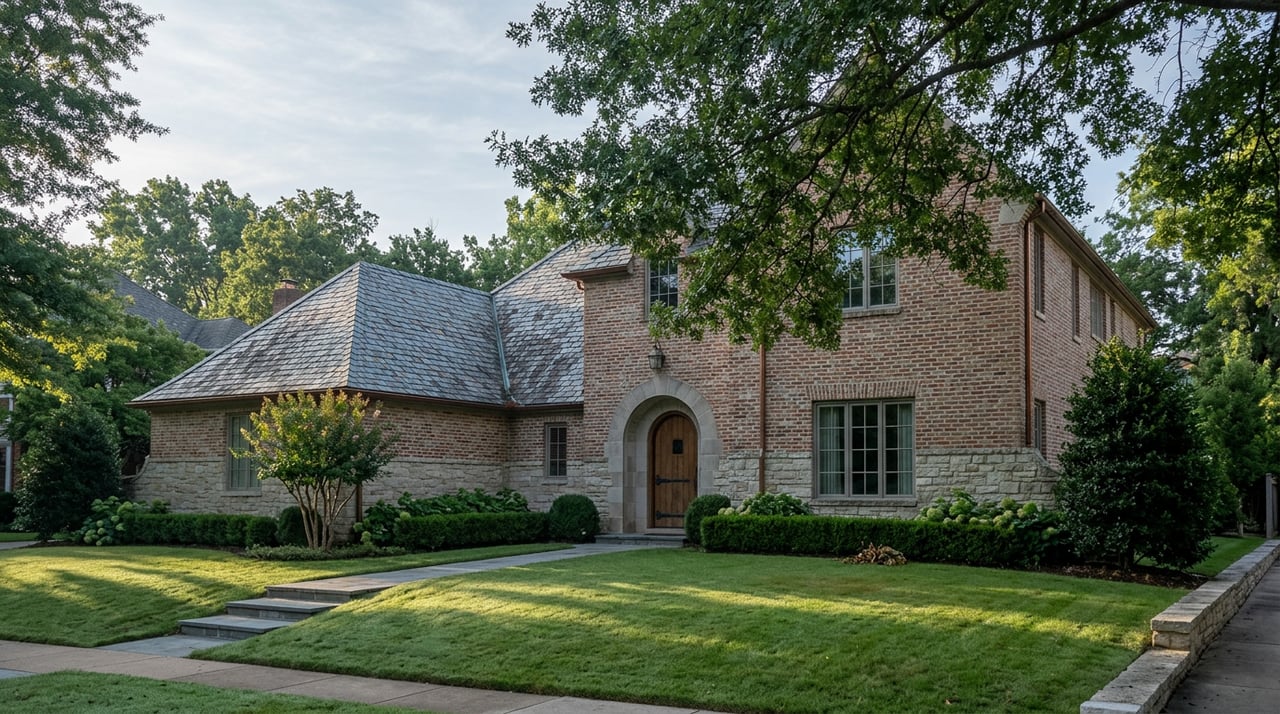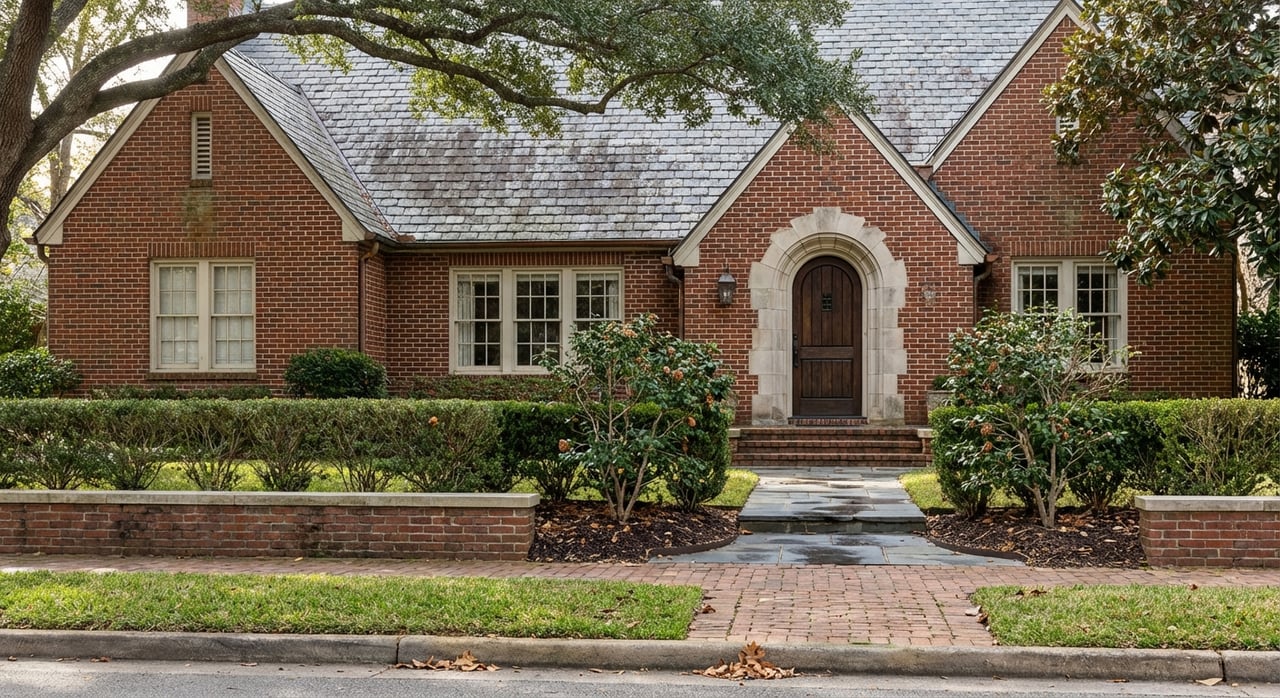
Love old houses that tell a story? In Atlanta’s intown core, a trio of historic neighborhoods offers sculpted brickwork, hand‑cut stone, and leafy streets that set a refined tone every day. If you value craftsmanship and a calm, park‑like setting, these enclaves deliver. In this guide, you’ll learn what to look for, how architecture shapes daily life, where to start your tour, and what to know if you plan to buy. Let’s dive in.
Why these intown areas stand out
North of Midtown, Ansley Park, Garden Hills, and Brookwood Hills formed in the early 20th century as planned neighborhoods with winding streets, small parks, and period architecture. Their streetscapes preserve clusters of Tudor Revival, Craftsman/Bungalow, and Colonial or Georgian Revival homes, creating a consistent, heritage look that design lovers appreciate. Ansley Park, in particular, is celebrated for its park‑linked layout and garden‑suburb planning that still reads beautifully today, a profile highlighted by the American Planning Association’s summary of the neighborhood’s design and history. See the overview of Ansley Park’s planning and parks.
Ansley Park: parks, curves, pedigree
Ansley Park was platted in the first decade of the 1900s as a forward‑looking, automobile‑era garden suburb with curving drives and linked green spaces. The wide streets, park strips, and sequence of pocket parks give the neighborhood a promenade feel and frame views toward Midtown.
The district is listed on the National Register of Historic Places, yet it has faced pressure from teardowns and large new infill. Preservation advocates have flagged this dynamic as a risk to the area’s rhythm and character. You can read the Georgia Trust’s summary and status in its “Places in Peril” listing and review Ansley Park’s formal National Register entry for historical context. Learn why preservation groups raised alarms and see the National Register listing.
What to notice in Ansley Park
- Tudor Revival homes with steep gables, substantial chimneys, and occasional half‑timber detail. For quick style cues, look for grouped casement windows and brick or stone base walls. These features are described in concise style guides.
- Colonial or Georgian Revival houses with balanced façades, multi‑pane windows, and classical door surrounds.
- Craftsman bungalows on select blocks with wide eaves, exposed rafters, and porch piers in stone or brick.
- Park‑edge frontage and framed skyline views that make everyday walks feel special.
Garden Hills: country‑club plan and revival styles
Garden Hills took shape beginning in 1925 as a planned, country‑club neighborhood with three sections: Peachtree, Country Club, and Brentwood. The community pool and clubhouse remain a social anchor, and the earliest sections are recognized for their concentration of revival styles. Read the neighborhood’s history and plan. The oldest portions were placed on the National Register, which notes the Tudor and Colonial Revival character that still sets the tone. See the National Register entry for Garden Hills.
What to notice in Garden Hills
- Tudor and Colonial Revival homes in the Peachtree and Country Club sections, often on modest lots with small park islands in the streetscape.
- Spanish or Mediterranean revival details in some 1920s pockets, including stucco walls, arched openings, tile roofs, and ornamental ironwork.
- A neighborhood center around the pool and clubhouse that creates a natural gathering spot in warmer months.
- Great walking routes on Rumson Road, Rumson Way, and Bolling Road for a concentrated look at the early architecture.
Brookwood Hills: leafy enclave with range
Created in the early 1920s by the Burdett family, Brookwood Hills curves with the terrain and welcomes you with landscaped brick entrances. A mature oak canopy and a central community club and pool give the neighborhood an enclave feel. Architecture ranges from Bungalow/Craftsman cottages to Tudor and Classical or Colonial Revival houses in brick, clapboard, and stone. Explore the neighborhood’s history.
What to notice in Brookwood Hills
- A mix of modest bungalows and larger revival homes, all under a consistent canopy of mature trees.
- Brick or stone chimneys, grouped windows, porch details, and careful siting on hilly streets.
- Calmer interior streets like Camden, Palisades, Brighton, and Wakefield that lead toward the park and pool.
How architecture shapes daily life
- Park‑linked planning in Ansley Park encourages lingering walks and scenic drives. The chain of small parks and wide streets creates a park‑like experience that feels both urbane and relaxed. The planning history highlights this green framework.
- Neighborhood centers, like the Garden Hills pool and clubhouse and the Brookwood Hills Community Club, serve as seasonal gathering places for events and low‑key social time. These anchors shape habits, from early swim practices to holiday festivities. Garden Hills describes these amenities and Brookwood Hills notes its community club focus.
- Mature tree canopy unifies all three neighborhoods, softening street views and encouraging porch life. You’ll notice dappled light across brick paths and façades, and a feeling of enclosure that makes morning and evening walks inviting. Brookwood Hills’ history highlights this canopy.
- Infill and scale tensions are part of the current conversation, especially in Ansley Park. Larger new houses can disrupt roofline rhythm and porch scale that define historic streets. Preservation groups continue to encourage compatible design and stronger local protections. See the Georgia Trust’s perspective.
A quick architecture tour
- Ansley Park: Start on Peachtree Circle and stroll past Winn Park and McClatchey Park for a sweep of early 20th‑century houses, broad streets, and park edges. Watch how curves frame views and how porches and entries address the greens.
- Garden Hills: Walk the Peachtree and Country Club sections near the pool and clubhouse. Rumson Road, Rumson Way, and Bolling Road show a high concentration of Tudor and Colonial Revival homes, with Spanish/Mediterranean touches sprinkled in.
- Brookwood Hills: Enter at one of the landscaped brick gates, then head toward the central park and pool via Camden, Palisades, Brighton, or Wakefield. Note how materials vary block to block while the canopy and setbacks hold the street’s rhythm.
Preservation and buyer notes
Understanding how designations work will help you plan smart improvements and purchase with confidence.
- National Register of Historic Places: This is a federal recognition of historic significance. It typically does not prevent private owners from altering or demolishing a property unless federal funds are involved. You can review Ansley Park’s listing for context. See the National Register record.
- Local historic districts and overlays: In Atlanta, local historic districts regulate exterior changes visible from the street through a Certificate of Appropriateness process. This is the level that can control demolition, new construction, and exterior alterations. Neighborhood pages often outline the COA steps in practical terms. Read a clear local overview of COAs.
- Current context in Ansley Park: Preservation groups have raised concerns about demolition and out‑of‑scale infill in recent years and have encouraged stronger local protections. Review the Georgia Trust’s summary.
Buyer checklist
- Confirm designation layers. Ask whether a property sits in a City of Atlanta local historic district, within a National Register district, or under private HOA/covenants. Each can affect approvals and timelines. This local COA overview explains typical steps.
- Request the property’s COA and permit history. Ask the seller to provide records of past approvals, denials, and conditions so you understand precedent.
- Expect exterior visible changes to be regulated in local districts. Items like rooflines, massing, porches, windows, siding, and demolition often require review.
- Budget with incentives in mind. Federal and state rehabilitation tax credits are generally limited to income‑producing properties and require a formal review process. Owner‑occupied single‑family homes rarely qualify. The National Park Service outlines standards and program basics.
Work with a design‑literate advisor
If you are drawn to these neighborhoods, you appreciate quality. You also want a guide who understands period architecture, preservation rules, and the on‑the‑ground nuances that affect value and livability. With four decades advising clients across Buckhead and Atlanta’s intown markets, our team pairs neighborhood knowledge with practical design and construction insight to help you buy or sell with confidence. When you are ready, connect with Patti Junger for a private consultation and a tailored plan.
FAQs
Are these neighborhoods legally protected from demolition?
- National Register listing recognizes significance, but local historic district designation is what typically regulates demolition and visible exterior changes through a COA process in Atlanta.
What architectural styles will I see on a short visit?
- Expect Tudor Revival, Colonial or Georgian Revival, and Craftsman/Bungalow homes, with Spanish/Mediterranean details in parts of Garden Hills’ 1920s sections.
How do Certificates of Appropriateness work in Atlanta?
- In locally designated districts, you apply for a COA before making exterior changes visible from the street. City staff and the Urban Design Commission review proposals against local guidelines.
Do historic tax credits apply to my single‑family home?
- Credits are generally aimed at income‑producing properties and require a formal state and federal review. Owner‑occupied single‑family homes rarely qualify.
Where should I start an architecture walk in Ansley Park?
- Begin on Peachtree Circle and loop around Winn Park and McClatchey Park to experience the curving streets, park edges, and a representative mix of early 20th‑century homes.