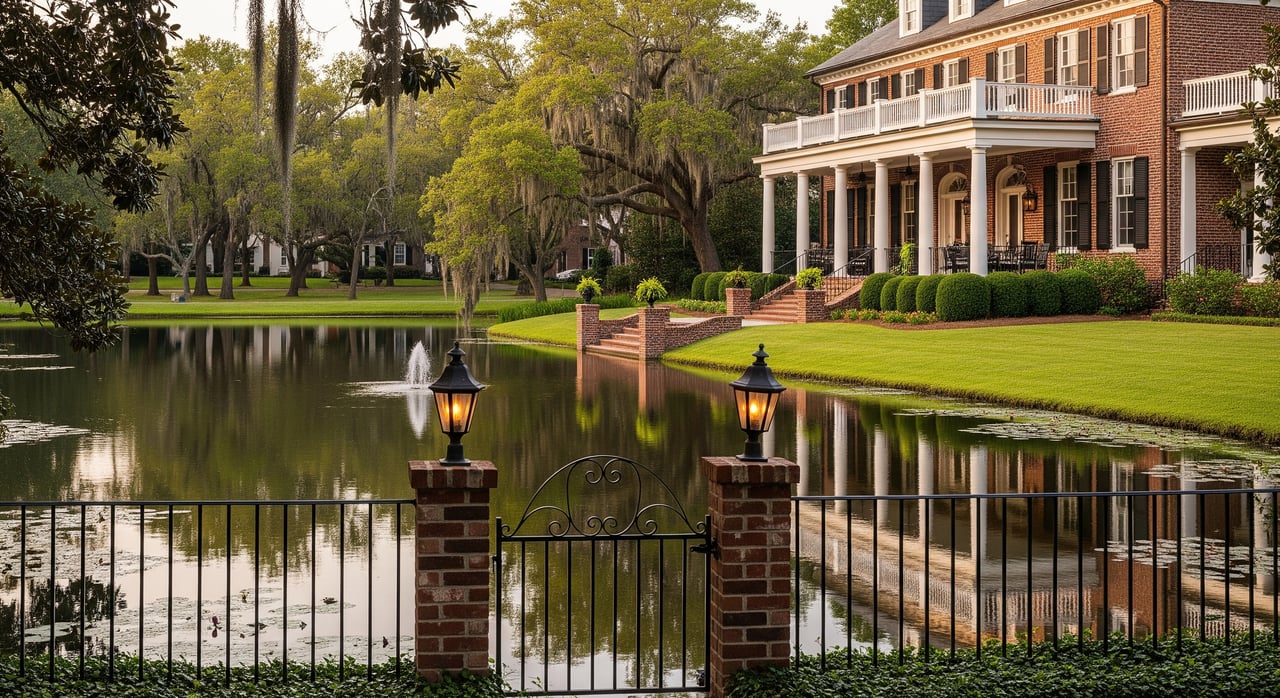
Early morning by the Duck Pond feels calm. You hear footsteps on the path, see neighbors with coffee, and watch the water shift under the trees. If you are drawn to a quiet, leafy pocket with easy access to Buckhead, this corner of Peachtree Heights West may be right for you. In this guide, you will learn what daily life looks like around the pond, how walkability works here, what nearby amenities you can count on, and what to consider when buying.
Let’s dive in.
Life around the Duck Pond
Living near the Duck Pond gives you a small, human scale within a larger city. The pond acts like a micro park, a place where you pause on a bench, say hello to a neighbor, or take a short walk with your dog. It supports low‑key activities like bird watching and short strolls rather than organized sports or playground use.
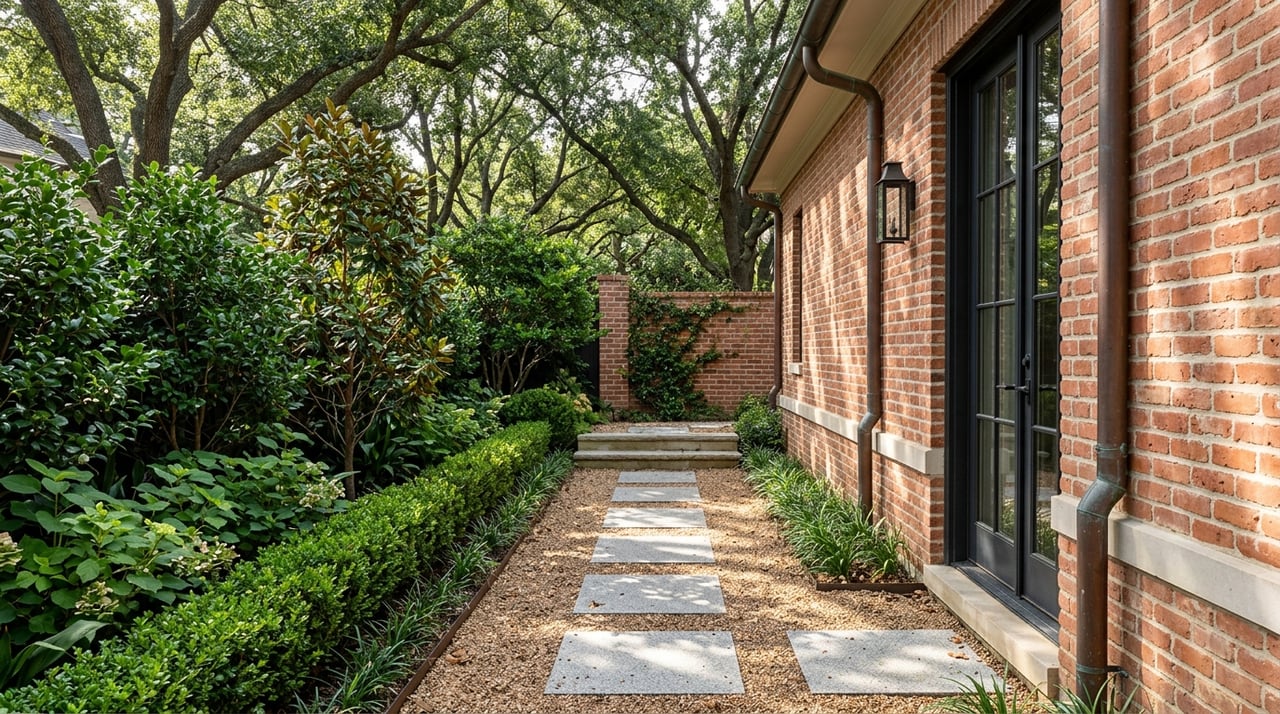
You will notice a mature tree canopy and a mix of older and updated homes. Sidewalks appear on many blocks, though coverage varies, which adds to the neighborhood feel without making it a full urban grid. The overall energy is residential and calm, while still close to Buckhead’s core.
Walkability and daily rhythm
This pocket is generally walkable for everyday movement. You can loop the pond, connect with a neighbor, or take a short stroll under the trees. For errands, many residents pick between a longer walk, a bike ride, or a quick drive to Buckhead’s commercial areas.
Sidewalk quality and presence can change from street to street. If walkability is a top priority, plan to test a route from a specific address to your most-used destinations. You will get a clear feel for what your day-to-day path might be.
Buckhead amenities nearby
Shopping and dining hubs
When you want shopping, dining, or a quick service stop, Buckhead’s major centers are close. Residents commonly use Buckhead Village, Lenox Square, and Phipps Plaza for restaurants, specialty shops, and services. You also have a range of neighborhood businesses in surrounding pockets, from markets to personal services.
In practice, you will likely mix short drives with occasional walks, depending on your exact address and schedule. Many people keep weekly routines that include errands in the Buckhead corridors and quiet time at the pond.
Getting around and transit
Public transit in Buckhead is served by MARTA rail and bus routes. The Buckhead MARTA station is the main rail access point for this area, and bus options vary by route and schedule. Commute times to Midtown or Downtown can be short by Atlanta standards, but traffic on Peachtree Road, West Paces Ferry, and other key arteries often dictates timing.
Most residents use a car for groceries and time-sensitive trips. Street parking rules can differ by block, so it helps to check any on-street restrictions near a home you are considering.
Housing at a glance
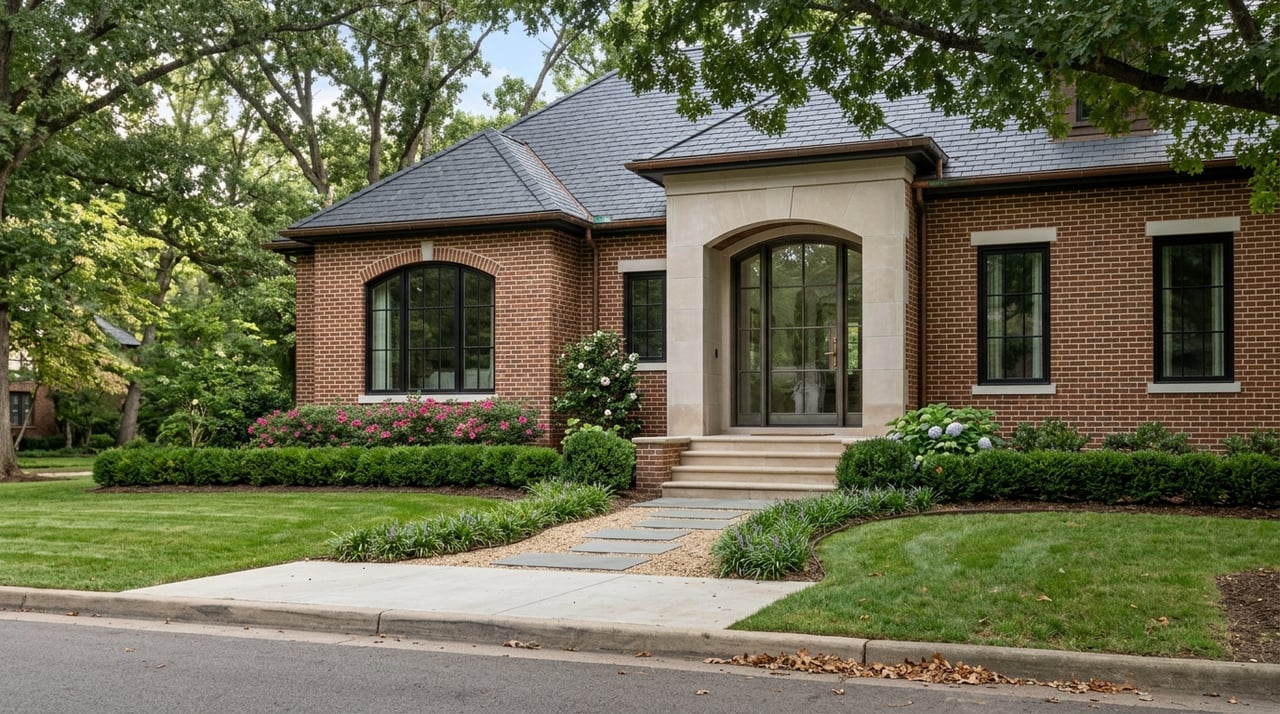
Peachtree Heights West offers a mix of older single-family homes, tasteful renovations, and select infill construction. Many lots are modest in size, which helps maintain the neighborhood scale and canopy.
Sellers often highlight period details, mature trees, and proximity to the pond. Buyers value the balance of character and convenience, especially if they want access to Buckhead’s amenities without living on a busy corridor.
Architectural styles
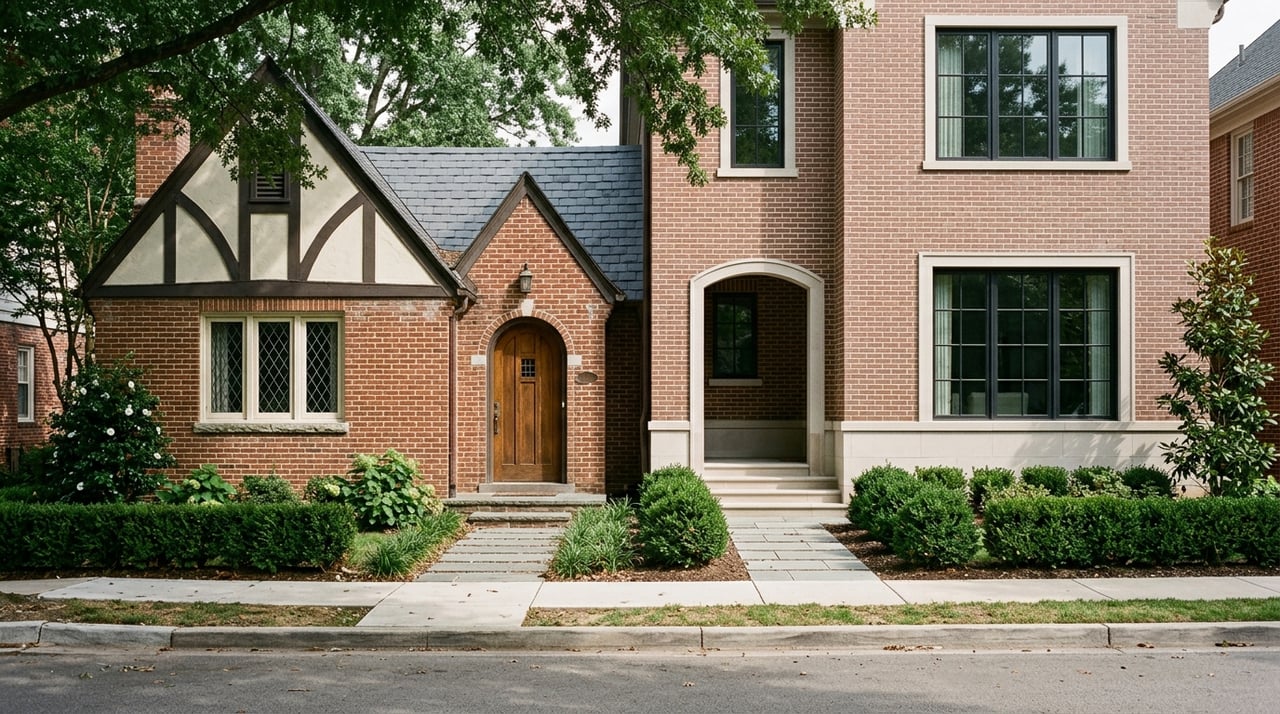
You will see early to mid‑20th century styles, including bungalows, craftsmen, Tudor revival, and other classic forms. Renovations often respect these original lines while improving interiors with updated kitchens, baths, and systems. Contemporary infill appears in places, adding a layered architectural story rather than a single look.
Renovation and infill trends
Over the past few decades, Buckhead’s close‑in neighborhoods have seen consistent updating. In Peachtree Heights West, this shows up as high‑end renovations and select rebuilds that fit within the residential fabric. If you plan a project, review local guidelines, city permitting rules, and any neighborhood association guidance. It is common to discuss tree preservation and design choices during planning.
What to check on a visit
- Walk the Duck Pond loop and note how people use the space during morning and evening.
- Take two routes to your nearest grocery or coffee shop, one by car and one on foot or bike.
- Observe sidewalk coverage and street lighting along your likely daily paths.
- Visit at different times of day to gauge traffic on nearby corridors.
- Identify the nearest MARTA rail or bus options and review the schedule.
- Ask about on-street parking rules on your block and for guests.
- If you are considering renovations, look for tree locations, potential easements, and lot constraints.
Practical considerations
Practical due diligence helps you buy with confidence. The Duck Pond and the neighborhood’s mature trees make this a beautiful place to live, and they also raise a few smart questions to answer before you close.
Trees, drainage, and the pond
Small bodies of water can correlate with specific drainage patterns. After heavy rain, observe how water moves on and near the property. Ask about previous drainage improvements and whether the home connects to city sewer. Check parcel‑level flood risk using official flood mapping resources and confirm any local guidelines for tree work.
Mosquito control is a common seasonal topic near standing water. Ask about routine maintenance and whether the property has features like screened porches or yard treatments. A clear plan can make warm months more comfortable.
Parking and street context
Parking rules vary by block, and some streets are tighter than others. If you expect frequent guests, test guest parking in the evening and on weekends. Also confirm any permit requirements and driveway access if the lot sits near a curve or hill.
Schools and boundaries
School zones can change. If public schools factor into your decision, verify current attendance boundaries using official tools at the time you are shopping. Private options are also accessible across Buckhead and adjacent neighborhoods. Keep your search broad, then align choices with your commute and daily routine.
Zoning and development
Close‑in Buckhead neighborhoods can see periodic redevelopment or infill pressure. If you value a specific streetscape or view, review city and county planning resources, and ask the neighborhood association about any recent proposals. Understanding zoning helps you anticipate what may change over time.
Is it a fit for you?
If you want a quiet, residential feel with quick access to Buckhead’s shopping and dining, life around the Duck Pond offers a compelling blend. You get shade, character, and neighborly rhythm, plus short trips to the area’s commercial hubs. Homes vary from preserved classics to thoughtfully modernized properties, so you can choose the level of project and finish that suits your lifestyle.
When you are ready to explore opportunities, you deserve guidance grounded in long experience and local knowledge. Schedule a private conversation with Patti Junger to review available homes, discuss renovation potential, and map a buying or selling plan that fits your goals.
FAQs
How close is the Duck Pond to Buckhead shops and restaurants?
- Expect a mix of quick drives, bike rides, or longer walks to Buckhead Village, Lenox Square, and Phipps Plaza, with exact times depending on your starting address.
What types of homes are near the Duck Pond in Peachtree Heights West?
- You will see older single‑family homes with period details, high‑end renovations, and some contemporary infill, plus a smaller number of nearby townhome or condo options.
Is the area around the Duck Pond typically quiet?
- The pocket is residential and generally calmer than Buckhead’s main corridors, with more activity as you get closer to restaurant and retail clusters.
Are there flooding or mosquito concerns near the Duck Pond?
- Check parcel‑level flood risk with official maps, review a property’s drainage history, and ask about seasonal mosquito maintenance to understand conditions.
How do schools work for this part of Buckhead?
- School zones can change, so verify current public school boundaries with official tools and consider private options based on commute and daily routine.
How car‑dependent is living near the Duck Pond?
- Many residents use cars for groceries and time‑sensitive errands, then walk the pond and nearby blocks for daily exercise or short neighborhood trips.