Thinking about updating a Chastain Park home before selling, or shopping for a property with renovation potential? You are not alone. Buyers in this Buckhead enclave are prioritizing outdoor living, thoughtfully updated kitchens, modern primary suites, and flexible spaces that fit today’s routines. This guide shows you which projects matter most, how to tailor updates by price band and home style, and what to expect with permits, timelines, and costs. Let’s dive in.
Why Chastain Park specifics matter
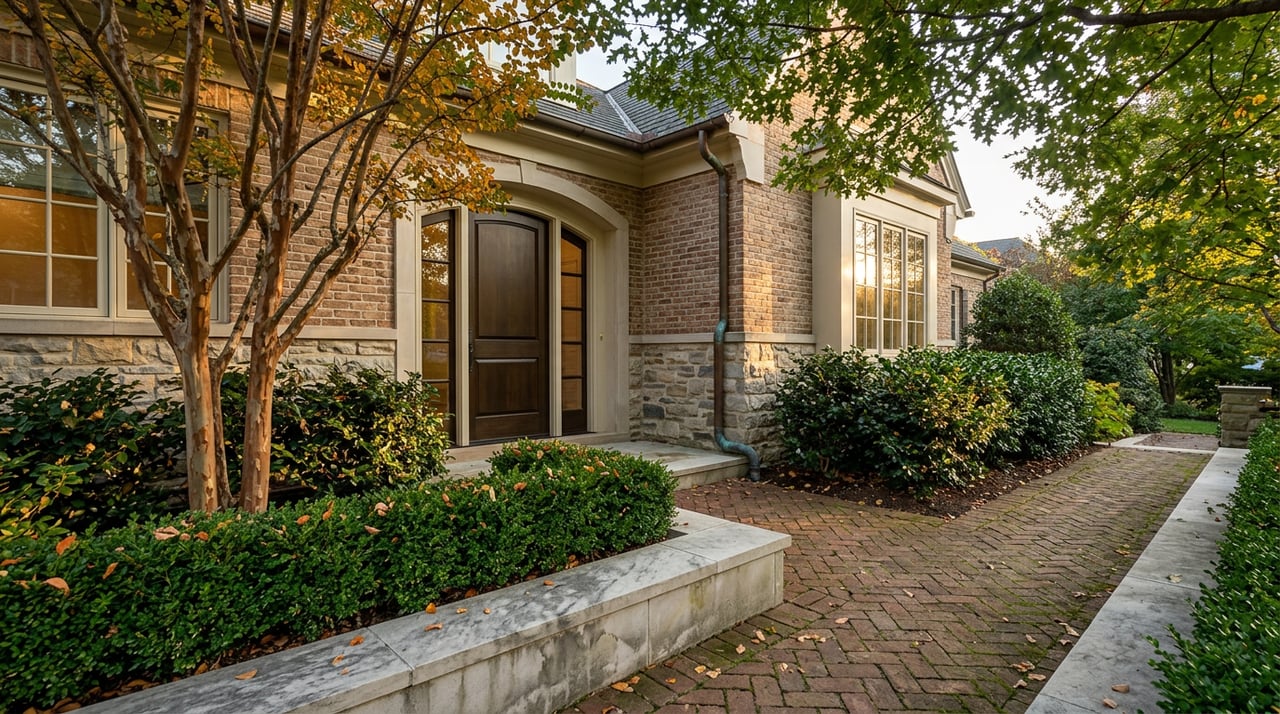
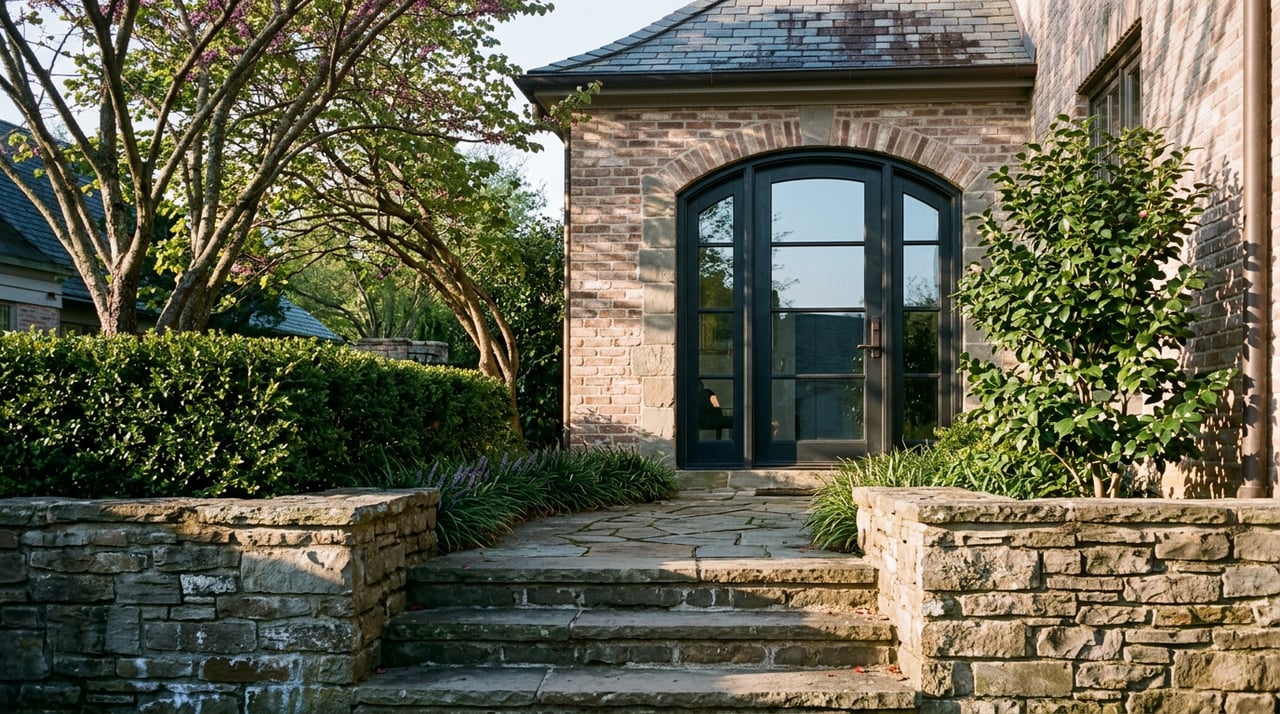
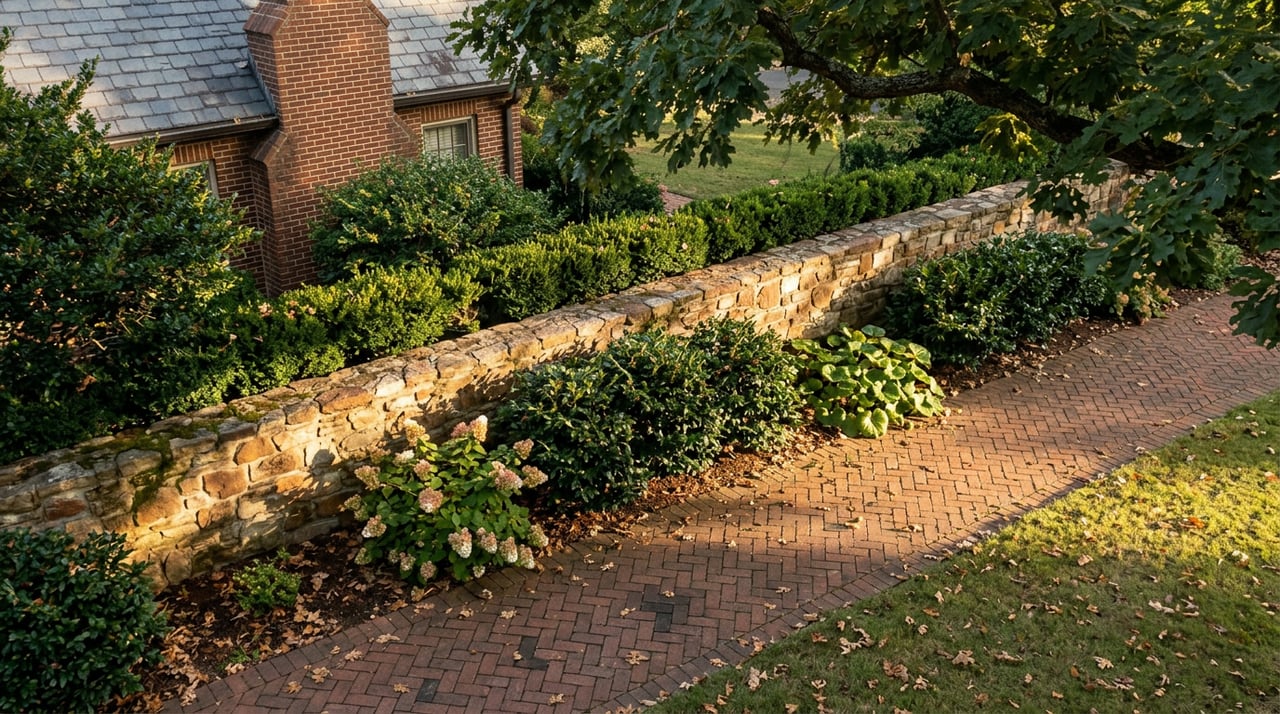
Chastain Park sits in the City of Atlanta within Fulton County, with a mix of mid-century homes, classic brick and Tudor-inspired styles, and newer luxury infill. Lots tend to be larger, with mature trees and usable backyards, which makes outdoor living and pool projects possible on many sites. Local buyer expectations vary by price band and by whether a home is preserved or newer construction. Matching your renovation scope to neighborhood comparables helps protect both appeal and resale value.
Outdoor living that sells
Buyer demand for outdoor space remains strong. Covered porches, patios with durable surfaces, simple grill stations, a fire feature, and good lighting are high-impact. You also gain appeal from drainage and grading that keep spaces dry, plus irrigation and landscape lighting that make evenings comfortable.
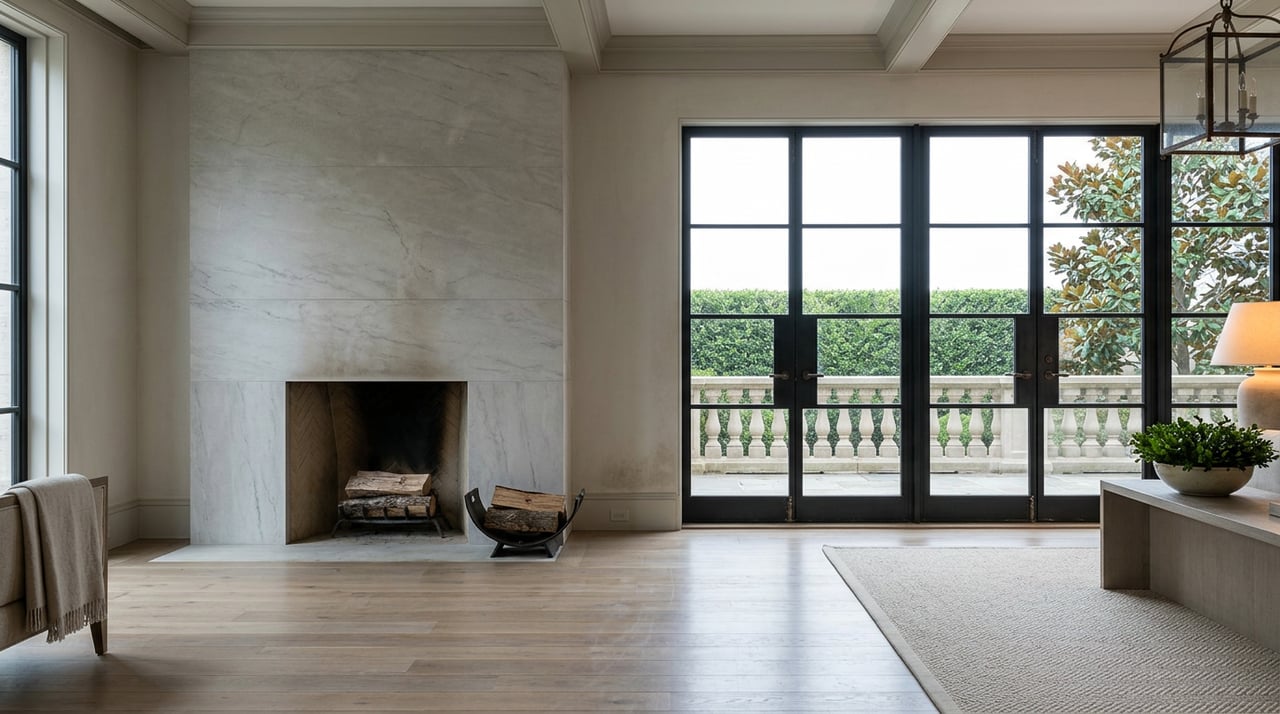
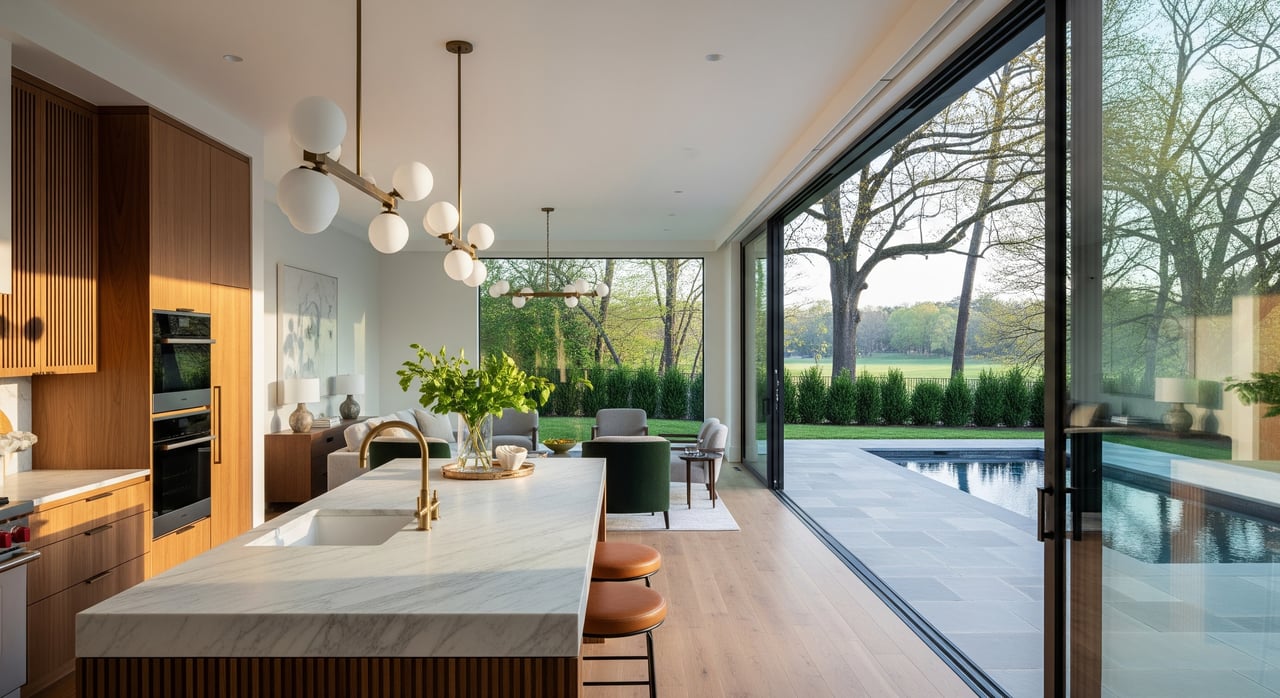
Design choices matter. Create a seamless indoor-outdoor transition with large sliders or French doors, keep steps minimal for easy access, and use weather-resistant materials like composite decking or bluestone. Plan around the tree canopy and protect roots during construction.
Estimated costs vary by scope. A modest patio or deck often runs about $10,000 to $30,000. A mid-range covered porch or integrated grill station can land around $30,000 to $80,000. High-end outdoor rooms with a full kitchen and hearth can exceed $80,000 to $200,000+. Research like the NAR Remodeling Impact Report and the industry’s Remodeling Cost vs. Value data show outdoor living upgrades strongly influence buyer decisions, though dollar-for-dollar returns depend on finish level and local comps.
Kitchens with modern function
In Chastain Park, kitchens carry real weight. Buyers want durable, low-maintenance surfaces, efficient storage, updated appliances, and open sightlines to living areas or the backyard. Upper price bands expect higher-end finishes and cohesive lighting.
You can scale scope. A cosmetic refresh with paint, hardware, lighting, and possibly countertops may run about $5,000 to $25,000. A partial remodel that replaces cabinets and major appliances often ranges from $25,000 to $75,000. A full reconfiguration or expansion that moves walls and adds an island typically ranges from $75,000 to $200,000+. Kitchens consistently rank among the top buyer-influencing projects in the NAR Remodeling Impact Report and Remodeling Cost vs. Value, although recouped cost varies by project scale and neighborhood.
Primary suites with calm and privacy
A larger primary bedroom, ample closet space, and a bright, well-finished bath are high on buyer lists. Aim for double vanities, a walk-in shower, and a soaking tub when space permits. If possible, position the suite toward the rear of the home for a quieter feel.
Costs scale with scope. A bath refresh may be $8,000 to $25,000. A full primary bath remodel often runs $25,000 to $80,000. Enlarging or adding a primary suite can range from about $50,000 to $200,000+. In the mid and upper bands, these updates are often decisive.
Flexible spaces and potential ADUs
Buyers value rooms that flex. A light-filled office, a fitness room, a guest suite, or a secondary living space can make a home live larger. Modest office improvements might be $2,000 to $10,000. If you are considering an accessory dwelling unit or substantial basement conversion, costs vary widely and often start around $80,000.
Always confirm zoning, setbacks, and permits before planning an ADU or accessory structure. The City of Atlanta Office of Buildings provides permit guidance, and local rules can affect feasibility and timelines.
Pools and pool‑ready planning
For luxury buyers, a pool can be expected. For others, a pool‑ready lot is enough. Site conditions are critical in Chastain Park. Consider lot shape and grade, setbacks, utilities, tree canopy, and drainage. Mature trees add appeal but may complicate pool placement or add maintenance.
Basic in‑ground pools often begin around $60,000 to $100,000. High-end builds with hardscape, heating, and automation often exceed $150,000 to $300,000+. Ongoing maintenance and insurance add to total cost. Pools can improve marketability in the higher price bands but do not always recoup their full installation cost. Treat a pool‑ready site as a neutral to positive attribute rather than a guaranteed dollar add. For tree planning and removals, review current rules under Atlanta tree protection.
Tailor by price band and home style
Price bands are approximate and should be verified with recent comps, since markets shift.
- Entry to lower mid (roughly under $700,000 to $800,000): Focus on clean cosmetics, a move‑in‑ready kitchen, energy‑efficient updates, and low‑maintenance outdoor space. Major additions or luxury finishes can overshoot the band.
- Mid‑market (about $800,000 to $1.8M): Aim for a modern kitchen, an expanded or refreshed primary suite, quality outdoor living, and a dedicated office. Pools are situational.
- Luxury (above roughly $1.8M to $3M+): Expect integrated indoor‑outdoor living, professional landscaping, premium finishes, and often a pool. Full reconfigurations and custom outdoor kitchens are common here.
Style plays a role.
- Mid‑century ranch or postwar cottage: Respect lower rooflines and simple massing. Open kitchen concepts and sensitive rear additions work well.
- Traditional brick, Tudor, or Craftsman: Preserve defining materials and trim. Choose classic, durable tile and cabinetry or blend modern elements with care.
- Newer infill or contemporary: Buyers expect modern systems, smart‑home capability, and seamless indoor‑outdoor transitions.
Permits, timelines, and budgeting
Permits are required in the City of Atlanta for structural work, additions, pools, and most electrical, plumbing, and HVAC changes. Significant tree removal usually needs approval. Start with the City of Atlanta Office of Buildings for current procedures. Zoning setbacks, impervious surface limits, historic overlays, and tree policies can affect your plan.
Key cost drivers include moving plumbing or load‑bearing walls, foundation work, adding conditioned space, custom millwork, high‑end materials, and intensive site work like grading, drainage, and retaining walls. Budget soft costs for architecture and engineering (often 5 to 15 percent of construction), permits, and a 10 to 20 percent contingency.
Typical timelines: cosmetic projects can take weeks to a couple of months. Kitchens and primary baths often run 8 to 16 weeks. Additions, pools, and major site work can span several months, and plan review can add time depending on scope and completeness.
For financing, buyers and owners sometimes use the FHA 203(k) rehab program or Fannie Mae’s HomeStyle Renovation mortgage, along with cash, HELOCs, or home‑equity loans. Tax treatment varies. Capital improvements may increase your basis at resale, while routine maintenance usually does not. Consult a tax professional for specifics.
Quick checklists
Sellers planning updates
- Get current comps and guidance on buyer expectations by price band.
- Prioritize: 1) kitchens and primary baths, 2) outdoor living that connects to the interior, 3) mechanicals and roof/structure, 4) neutral, staging‑ready finishes.
- Match finish level to nearby comps to avoid over‑improving.
- Pull permits and keep documentation, invoices, and warranties.
- Use durable, neutral finishes and strengthen indoor‑outdoor flow.
Buyers evaluating potential
- Confirm lot size, orientation, setbacks, and tree constraints for outdoor projects and pools; request site plans when possible.
- Review inspection records for mechanicals, roof, electrical, and plumbing; budget for code updates.
- Get a contractor or architect feasibility review and preliminary pricing before writing an offer if renovation potential is central.
- Check comps to avoid over‑building beyond the neighborhood ceiling.
Move forward with confidence
Chastain Park buyers reward homes with functional layouts, fresh kitchens, calm primary suites, flexible rooms, and outdoor spaces that live well all year. With four decades of advising Buckhead clients, Patti Junger brings design‑literate insight and measured guidance to help you choose the right scope for your goals and price band. If you are weighing updates before listing or evaluating a home with potential, expert counsel can help you invest wisely.
Ready to discuss your plan? Connect with Patti Junger to Request a complimentary market valuation and private consultation.
FAQs
Will a pool add resale value in Chastain Park?
- Pools can improve marketability for lifestyle buyers, especially in higher price bands, but they often do not recoup full installation cost; treat pool‑ready as a site advantage rather than a guaranteed dollar add.
Should I renovate before listing my Chastain Park home?
- Buyer‑facing updates to kitchens, primary baths, and outdoor flow often help net proceeds, but avoid over‑improving relative to comps; combine a market analysis with contractor bids to decide.
How much contingency should I budget for older homes?
- Plan a 10 to 20 percent contingency and be prepared for hidden structural, plumbing, or electrical issues, especially in mid‑century or earlier homes.
Do I need an architect for my renovation in Atlanta?
- For structural changes, additions, reconfigurations, or exterior alterations, an architect is strongly recommended; a designer or design‑build contractor can be sufficient for cosmetic projects.
What permits are required in the City of Atlanta?
- The city typically requires permits for structural changes, additions, pools, and major electrical, plumbing, or HVAC work, and often for significant tree removal; review current rules with the Office of Buildings.