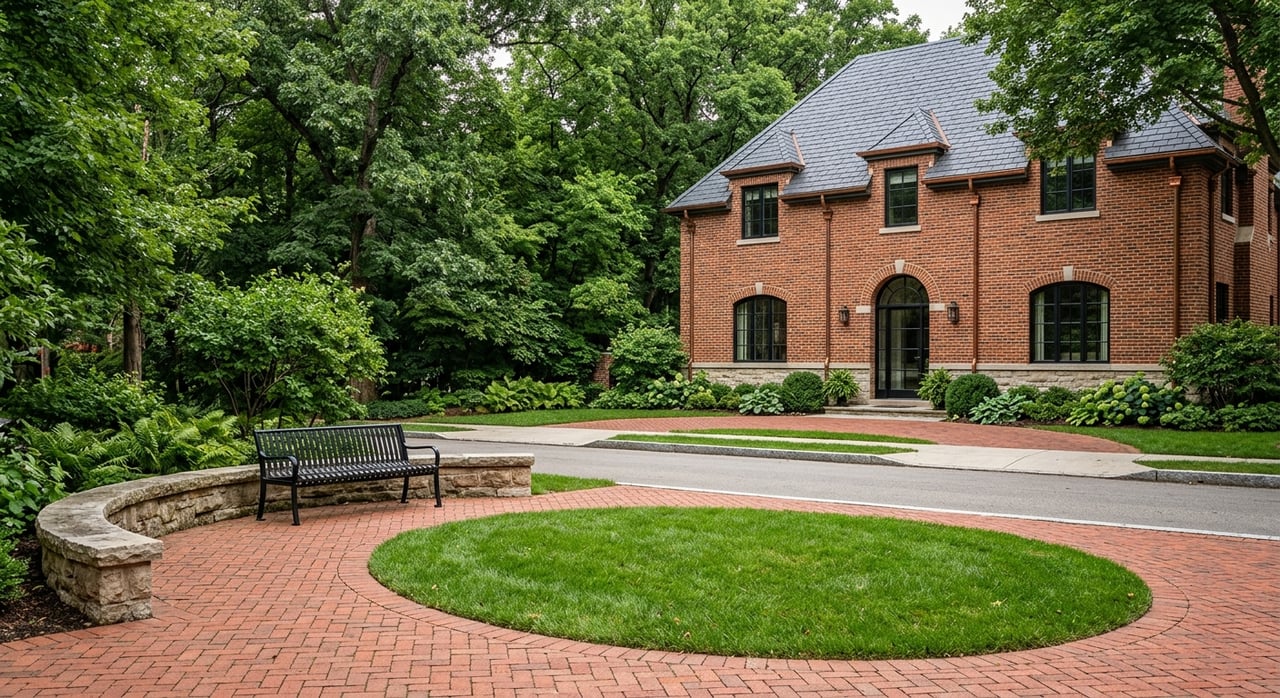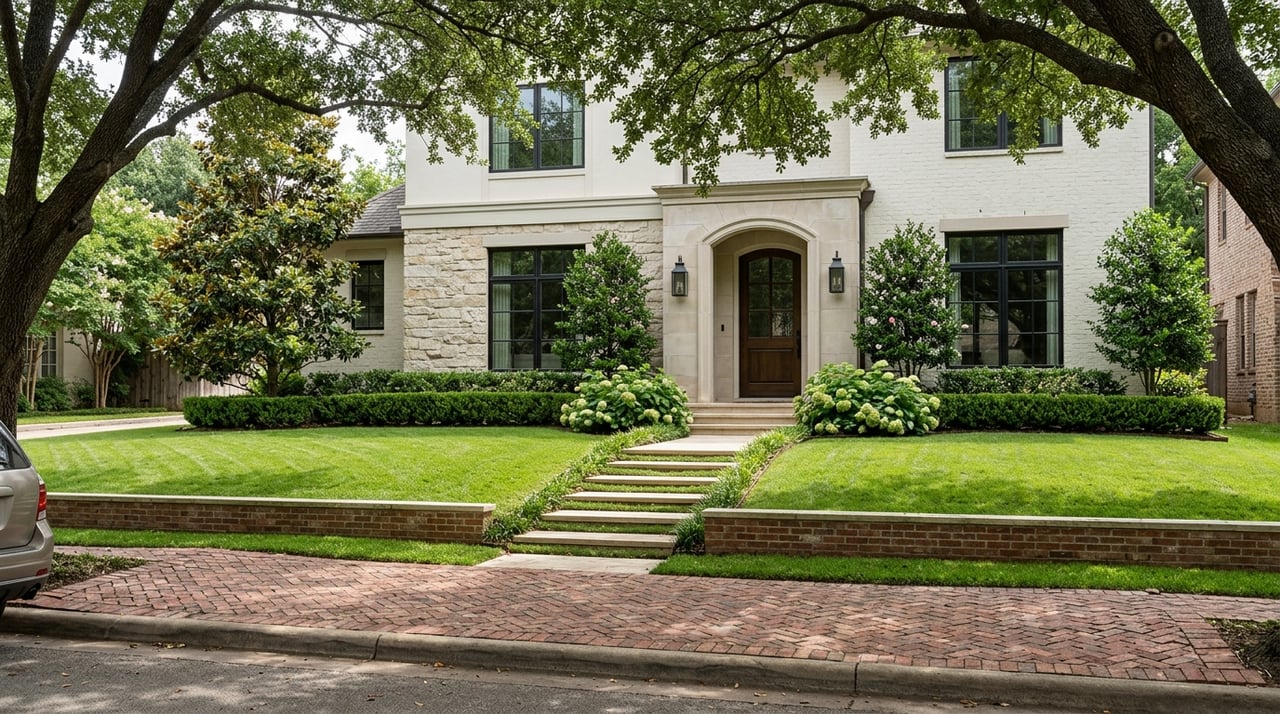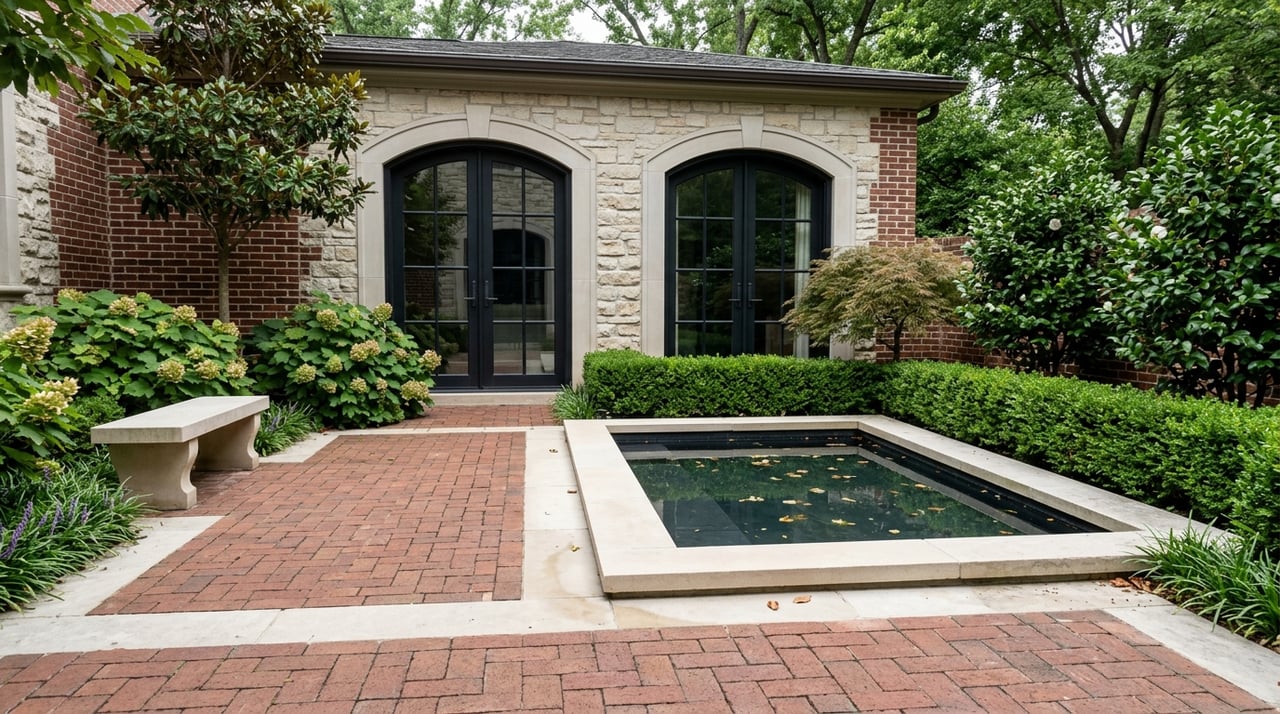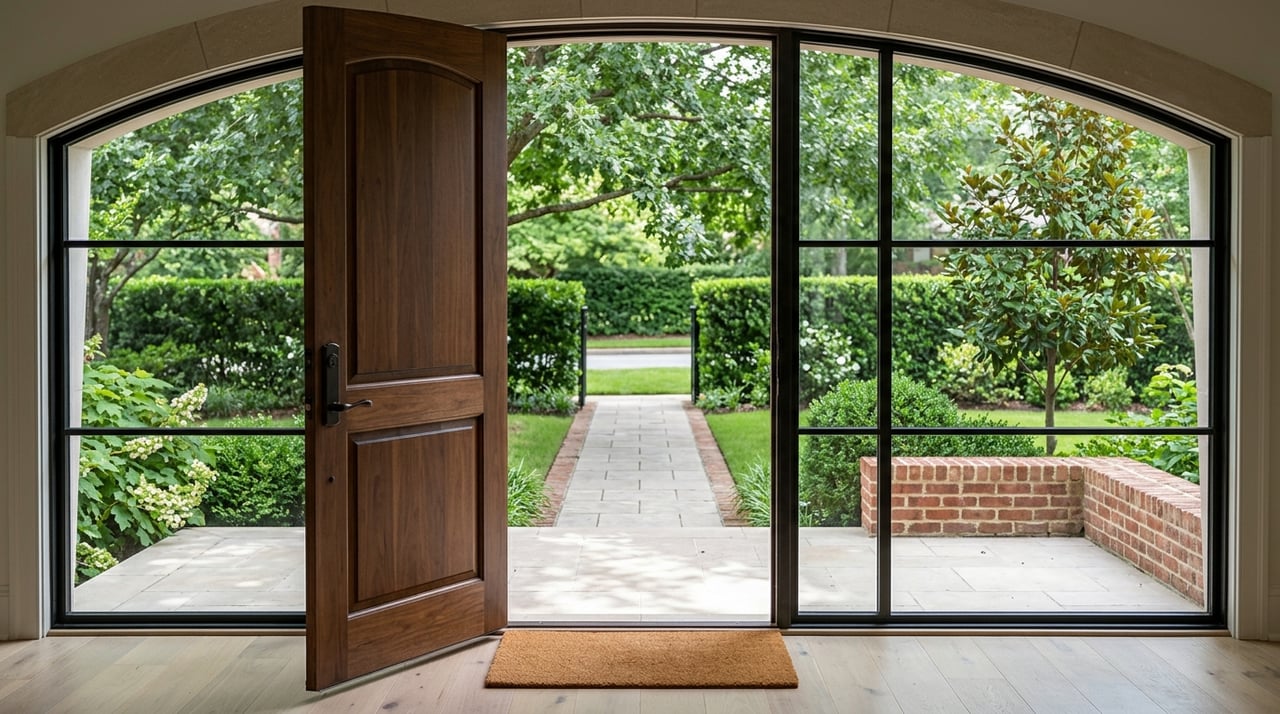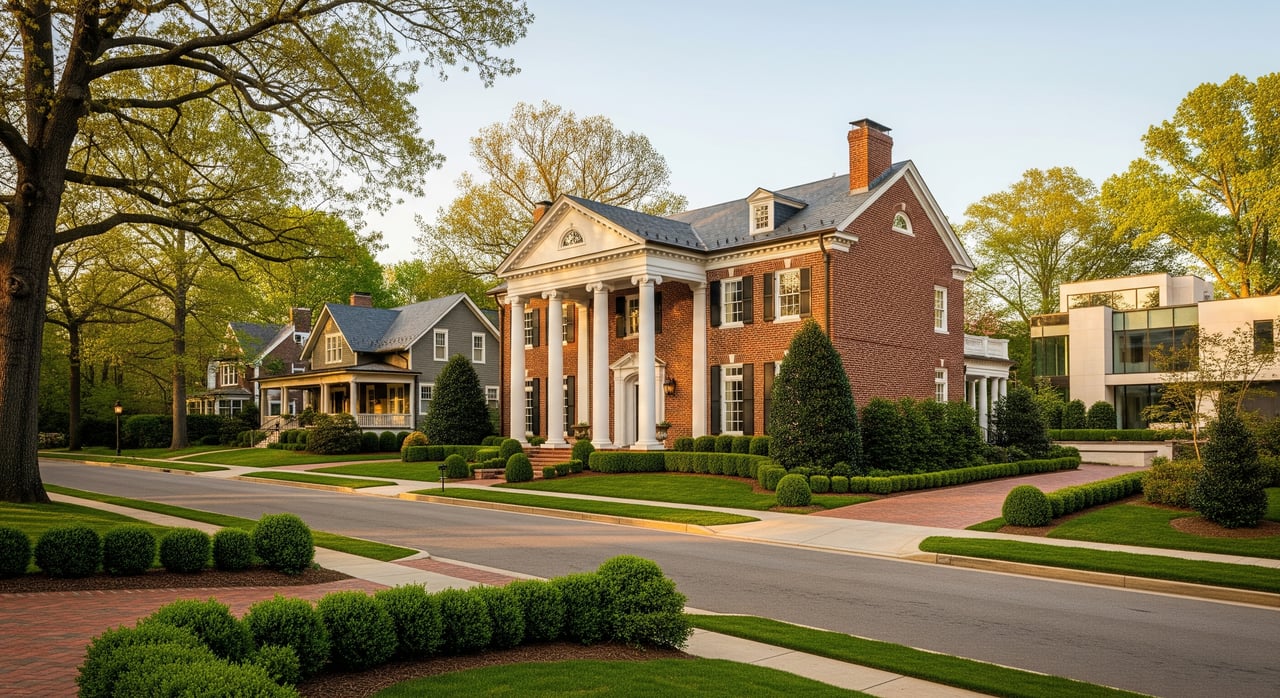
Can you tell a Tudor from a Colonial at a glance? If you are exploring homes in Buckhead, Morgan County, you will see a mix of historic influences and newer builds that can feel similar at first pass. You want character, comfort, and a smart investment, but it helps to know what each style means for daily living and long‑term value. Below is a quick, design‑literate guide to five common styles, how to recognize them, what it is like to live in them, and what to look for during inspections so you can buy or sell with confidence. Let’s dive in.
Start here: Buckhead context
There is more than one “Buckhead” in Georgia. This guide focuses on Buckhead in Morgan County, a smaller town setting that differs from Atlanta’s Buckhead. Housing stock and architectural frequency vary by street and subdivision, so always verify what you see with current MLS data, Morgan County property records, and any local historic surveys.
If you plan exterior changes, check local rules first. Zoning setbacks, county building code, and any historic or design review can affect what you can alter and how you maintain character. This extra step protects both your timeline and resale value.
How style shapes day‑to‑day living
Style is more than looks. It influences how you use rooms, the light you get, and your maintenance plan.
- Floor plan: Tudor, Georgian, and Colonial Revival homes tend to have more defined rooms. Mid‑Century and New Traditional homes lean open plan with bigger kitchens and connected living areas.
- Light and views: Larger window openings in Mid‑Century homes bring strong daylight and indoor‑outdoor flow. Symmetrical historic facades often limit oversized new openings without design changes.
- Accessibility: Single‑level ranch forms are easier for aging in place. Older multi‑story homes may need upgrades to widen doorways or rework baths.
- Energy performance: Older homes often have single‑pane windows and limited insulation. Thoughtful upgrades to insulation, HVAC, and windows can improve comfort and operating costs.
- Storage: Historic homes may lack walk‑in closets, mudrooms, and big pantries. New Traditional homes usually deliver those from day one.
Tudor Revival
How to spot it
- Steeply pitched gables and cross gables
- Decorative half‑timbering with stucco infill
- Tall, grouped windows, sometimes with leaded glass
- Prominent masonry chimney and arched doorway
- Asymmetrical front elevation
How it lives
Tudor interiors feel intimate. Rooms are often cozy with lower ceiling heights in older examples, plus built‑ins and plaster details. The traditional layout is compartmentalized with formal living and dining rooms and a separate kitchen.
What to inspect or plan
- Complex roofs increase replacement cost and potential leak points
- Half‑timber and stucco require careful moisture management and periodic inspection for rot or termite activity
- Older single‑pane windows may need repair or storm solutions to improve comfort
- Chimneys deserve a full inspection and cleaning
Value insights
Well‑preserved Tudors tend to attract buyers who prize narrative and character. Sensitive kitchen and bath updates often deliver strong returns. If a property carries historic protections, expect both value stability and some limits on exterior changes.
Georgian and Georgian Revival
How to spot it
- Strict symmetry with a centered front door
- Multi‑pane double‑hung windows aligned in rows
- Brick exteriors with classical details like pediments, pilasters, or columns
- Hipped or side‑gabled roof
How it lives
Expect a formal central hall with rooms mirrored on each side, predictable circulation, and often generous ceiling heights in quality examples. Light can be excellent on both sides of the center hall, and separate living and dining rooms suit formal entertaining.
What to inspect or plan
- Brick needs periodic repointing and attention to flashing
- Preserving symmetry while opening spaces for modern living requires careful design
- Upgrading HVAC or electrical in older structures can be invasive but adds comfort and value
Value insights
These homes appeal to buyers who like classical order and upscale curb presence. In streets where historic continuity matters, Georgian facades often enhance marketability when well maintained.
Colonial Revival
How to spot it
- Near‑symmetrical facade with gabled roof
- Accented entries with pediments or small porches
- Double‑hung multi‑pane windows, often with shutters
- Wood clapboard or brick with simpler classical trim than Georgian
How it lives
Colonial Revival homes balance tradition with flexibility. You may find center‑hall or side‑hall plans and slightly larger rooms than in many Tudors. Attic or basement spaces are often adaptable for offices, playrooms, or guest suites.
What to inspect or plan
- Painted wood siding needs regular upkeep; evaluate windows for repair or replacement
- Kitchens and baths are frequent modernization targets
- Creating an open plan is often feasible but may involve moving structural walls
Value insights
This style has broad appeal because it blends historic character with adaptable interiors. Updates that respect the exterior rhythm while adding modern amenities tend to perform well at resale.
Mid‑Century Modern and Ranch
How to spot it
- Low‑sloped or flat roofs with strong horizontal lines
- Large panes of glass and sliding doors
- Open living/dining/kitchen flow
- Materials like brick, wood siding, and stone accents; exposed beams in some cases
How it lives
Mid‑Century homes prioritize casual, connected living with direct access to patios and yards. Ranch forms offer single‑level convenience that works well for aging in place. You often get generous common areas with smaller, efficient bedrooms.
What to inspect or plan
- Low‑slope or flat roofs need diligent maintenance
- Original single‑pane glazing and limited insulation are common; upgrades boost comfort and efficiency
- Older mechanical systems and kitchens may need modernization; open plans can limit options for relocating major services
Value insights
Demand is strong among buyers who value modern lines and indoor‑outdoor flow. In intown Georgia contexts, well‑kept or sympathetically updated Mid‑Century homes often command premiums due to layout and lifestyle appeal.
New Traditional
How to spot it
- Symmetrical massing, front porches, and classic proportions interpreted with current building methods
- Cleaner detailing with modern, lower‑maintenance materials like fiber‑cement siding and architectural shingles
- Larger footprints with garages designed for convenience
How it lives
You typically get open plans, large kitchens, walk‑in storage, and energy‑efficient systems. These homes are designed around contemporary daily routines, including drop zones, larger laundry rooms, and flexible spaces for work or play.
What to inspect or plan
- Short‑term maintenance is often lower, but verify builder quality, flashing details, and material warranties
- Systems and insulation usually meet modern standards; keep records for future buyers
Value insights
New Traditional homes have broad appeal thanks to turnkey living. In character‑rich streets, buyers may compare them to renovated historic homes. Well‑scaled designs that fit the block tend to perform best at resale.
Maintenance checklist by style
Use this quick list to focus your inspection and pre‑listing prep.
- Roof and flashing: Complex Tudor rooflines and low‑sloped Mid‑Century roofs need close evaluation.
- Exterior cladding: Check stucco and half‑timber moisture management, painted clapboard on Colonial Revival homes, and mortar condition on Georgian brick.
- Foundations and drainage: Older structures may benefit from improved drainage or underpinning.
- Windows and doors: Evaluate for rot, sealing, and energy performance. Consider repair plus storms before full replacement in historic homes.
- Mechanical systems: Review HVAC age and capacity, electrical panel updates, and plumbing condition.
- Insulation and ventilation: Inspect attics and crawlspaces for insulation levels and proper airflow.
- Chimneys and fireplaces: Confirm structural integrity, liners, and flues.
- Additions and alterations: Verify permits and documentation for past work to protect insurability and resale.
- Pest and moisture risks: Georgia’s climate demands termite vigilance, especially where wood meets grade.
Style and resale strategy
Your marketing story should align with the home’s strengths.
- Historic styles: Highlight provenance, original trim, and sensitive upgrades. A thoughtfully enlarged kitchen with period‑appropriate details can resonate with both purists and practical buyers.
- Mid‑Century: Lead with light, views, and indoor‑outdoor connection. Emphasize flow and the quality of glazing upgrades.
- New Traditional: Showcase modern systems, open plan living, storage, and low maintenance.
Neighborhood fit matters. Homes that match the scale and rhythm of their street often sell faster and with stronger outcomes. In designated historic areas, well‑preserved properties can earn a premium, but expect some limits on exterior changes. Scarcity also plays a part. A rare, well‑kept example of a sought‑after style often commands more attention than common builder stock, all else equal.
For return on investment, prioritize kitchens, baths, and exterior envelope care. Energy improvements like insulation and high‑efficiency HVAC are especially meaningful in Georgia’s climate and are easy for buyers to value during showings.
Choosing your best fit
If you love intimate rooms and handcrafted details, a Tudor or Colonial Revival may be your match. If you prefer open sightlines, an oversized kitchen, and seamless yard access, Mid‑Century or New Traditional will feel natural. Keep daily routines in mind: How you cook, entertain, work from home, or plan for guests and mobility needs will guide the right style.
Before you buy, pair your wish list with a focused inspection plan and a realistic upgrade budget. Before you sell, address essential repairs first, assemble documentation for past work, and present the home in a way that underscores its architectural strengths.
Ready to evaluate a specific property or prep yours for market in Buckhead, Morgan County? Connect with Patti Junger for calm, design‑literate guidance and a private, boutique experience tailored to your goals.
FAQs
Will a historic style in Buckhead, Morgan County limit my renovation plans?
- It can. If the home sits in a designated historic area or under a conservation rule, exterior changes may require review. Interior updates are typically less restricted.
Do older Tudor, Georgian, or Colonial Revival homes cost more to maintain?
- Often yes. Expect attention to roofs, original windows, stucco or brick work, and mechanical systems. Phased upgrades help manage costs while preserving character.
Which architectural style best fits modern family living in Buckhead, Morgan County?
- Mid‑Century and New Traditional homes usually offer open plans, larger kitchens, and flexible spaces. Historic styles can be adapted but may need structural work.
Are original windows in older homes always a replacement project?
- Not always. Skilled repair plus storm windows can improve comfort while keeping character. Full replacement is sometimes warranted for performance or cost reasons.
How can I judge authenticity versus a good New Traditional imitation?
- Look at materials, proportions, and detailing. Authentic homes show period craftsmanship; New Traditional offers turnkey comfort. If provenance matters, documentation helps.